


 Deutsch
 Español
 Français
 русский
Content
- 1 Understanding the Maintenance Needs of USB Upholstered Bed Frames
- 2 Ease of Cleaning Based on Upholstery Material
- 3 Routine Cleaning Practices for Upholstered Surfaces
- 4 Maintaining the Built-In USB Ports Safely
- 5 Deep Cleaning and Long-Term Care
- 6 Preventing Damage and Protecting the Frame Structure
- 7 Conclusion: Are USB Upholstered Bed Frames Easy to Maintain?
Understanding the Maintenance Needs of USB Upholstered Bed Frames
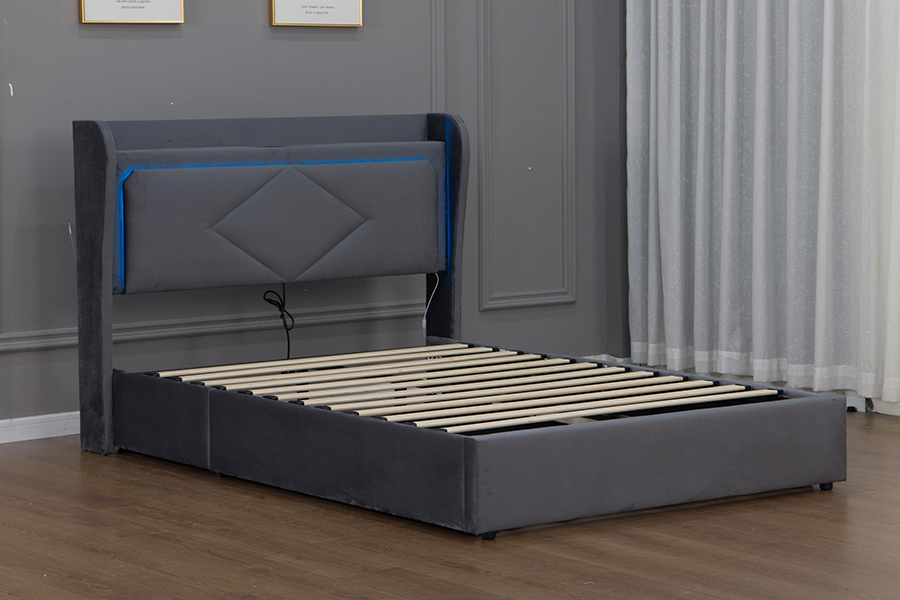
USB upholstered bed frames combine modern functionality with comfort, offering a convenient charging solution integrated directly into the headboard or side panels. This added convenience raises a common question for buyers: are USB upholstered bed frames easy to clean and maintain? The answer depends on the upholstery material, quality of construction, and how frequently the bed frame is used. With proper care, these bed frames remain durable, clean, and fully functional for many years. A structured cleaning routine and awareness of how to protect the built-in USB ports are essential for maximizing long-term value.
Ease of Cleaning Based on Upholstery Material
The type of fabric or material used on a USB upholstered bed frame plays a major role in determining how easy it is to clean. Common materials include linen, velvet, faux leather, microfiber, and leather. Each offers different levels of stain resistance, moisture tolerance, and durability. Before establishing a cleaning routine, it is important to know the advantages and limitations of each material.
Comparison of common upholstery materials
| Material | Ease of Cleaning | Stain Resistance |
| Faux Leather | High | Excellent |
| Microfiber | High | Good |
| Linen | Moderate | Low to Moderate |
| Velvet | Low | Low |
| Leather | Moderate to High | High |
Faux leather and microfiber are among the easiest materials to maintain, as they resist spills and wipe clean with little effort. Linen and velvet require more gentle care and periodic deep cleaning, making them less suitable for high-use households. Understanding these differences helps owners choose the right cleaning method and avoid damaging the upholstery over time.
Routine Cleaning Practices for Upholstered Surfaces
Routine cleaning ensures that USB upholstered bed frames remain visually appealing and hygienic. Regardless of the material, regular maintenance prevents the buildup of dust, oils, and allergens. Establishing a weekly or bi-weekly cleaning routine keeps the upholstery in excellent condition and reduces the need for more intensive treatments.
Recommended cleaning steps
- Vacuum the fabric using a soft brush attachment to remove dust and debris.
- Spot-clean spills immediately to prevent absorption, especially with linen or velvet upholstery.
- Use a mild fabric cleaner compatible with the upholstery type.
- Avoid soaking the fabric to protect the internal structure and electronic components.
These routine cleaning practices help preserve the texture, color, and softness of the fabric. For faux leather and leather frames, a damp cloth followed by a conditioning product may be used to maintain the material’s appearance and prevent cracking or peeling. Always test cleaning products on a small, hidden area before use to avoid unexpected discoloration.
Maintaining the Built-In USB Ports Safely
Since USB upholstered bed frames include integrated electronics, maintenance extends beyond the fabric surface. The USB ports and wiring require proper care to prevent damage and ensure continued safety. Although these components are designed to withstand everyday use, they should remain dry and free of debris to avoid electrical hazards.
Tips for maintaining USB components
- Keep liquids away from the USB panel to avoid moisture entering the port area.
- Use compressed air to gently remove dust buildup in the USB ports.
- Avoid pulling charging cables at sharp angles to prevent wear on the USB connectors.
- Periodically check for loose screws or damaged wiring around the USB housing.
Proper USB port maintenance not only ensures safe charging but also contributes to the overall longevity of the bed frame. If the USB panel becomes loose or stops working, it is recommended to consult the manufacturer rather than attempting home repair, as this may void warranties or compromise the electrical system.
Deep Cleaning and Long-Term Care
While routine cleaning handles everyday dust and minor spills, deep cleaning is occasionally necessary to keep the bed looking fresh. Upholstered bed frames, especially those used in master bedrooms or high-traffic households, may accumulate oils and dirt that require steam cleaning, shampooing, or professional-level treatments.
Before deep cleaning, always confirm whether the upholstery is compatible with water-based cleaners or steam machines. Velvet, for example, may require specialized cleaning methods to avoid damaging its texture. Faux leather and microfiber generally respond well to gentle soap solutions, but excessive moisture should be avoided to protect the internal padding and electronics.
Long-term care suggestions
- Rotate or reposition the bed frame occasionally to ensure even wear.
- Avoid placing the bed near direct sunlight to prevent fabric fading.
- Use fabric protectant sprays designed for the specific upholstery type.
- Schedule professional cleaning every 12–18 months for heavily used beds.
These care habits significantly extend the lifespan of the upholstery while preserving its visual appeal. Regular attention prevents the buildup of unseen dirt, reduces odors, and ensures that deep cleaning sessions are less demanding and more effective.
Preventing Damage and Protecting the Frame Structure
Beyond fabric and USB components, maintaining the structural integrity of the bed frame is equally important. As an upholstered frame usually includes wooden or metal support structures beneath the fabric, taking preventive measures protects both the outer appearance and the frame’s stability. Upholstered corners, legs, and side panels can be susceptible to scuffing or impact damage if not handled properly.
Preventive care practices
- Avoid dragging the bed frame; lift it when repositioning to protect the legs and fabric covering.
- Ensure mattress weight is compatible with the frame’s maximum load capacity.
- Check screws, brackets, and internal support beams annually for loosening.
- Use felt pads on bed legs to prevent floor scratches and reduce frame stress.
Protecting the bed frame structure ensures that both the upholstered surface and the USB components remain securely positioned. A stable frame reduces shaking and prevents unnecessary strain on the wiring system, which is especially important for long-term safety and durability.
Conclusion: Are USB Upholstered Bed Frames Easy to Maintain?
USB upholstered bed frames are generally easy to clean and maintain when cared for appropriately. Their upkeep depends largely on the upholstery material and the user’s commitment to routine cleaning and USB port protection. With proper dusting, spot cleaning, periodic deep treatments, and safe handling of the electronic components, these bed frames remain functional and beautiful for many years. For homeowners who value a combination of modern style and everyday convenience, USB upholstered bed frames offer a durable and low-maintenance solution that fits seamlessly into contemporary living spaces.