


The Metal Bed Frame is crafted for those who value strength and longevity in their furniture. Its robust construction ensures a stable and durable base that can withstand daily use over the years. The frame is designed with a solid metal structure, offering reliable support for a variety of mattresses, whether memory foam or spring. This durability makes it an ideal choice for both home and commercial use, particularly in environments that require long-lasting furniture solutions.
The design of the Metal Bed Frame strikes a balance between functionality and modern aesthetics. With clean lines and a minimalist style, it fits seamlessly into contemporary bedroom settings. Whether in a private bedroom or a more public space like a guesthouse, the frame’s sleek design adds a modern touch that complements various interior themes. Its neutral finish allows it to pair easily with different bedding and room decors, making it versatile for any style preference.
In addition to its visual appeal, the Metal Bed Frame is designed with ease of assembly in mind. The straightforward setup process ensures that it can be quickly installed, saving time for the user. The sturdy nature of the frame also contributes to a noise-free sleeping experience, providing added comfort during rest. Moreover, the metal construction is resistant to common issues such as warping or splitting, guaranteeing a long service life.


Why LED Upholstered Bed Frames Are Worth Considering LED upholstered bed frames combine the plush comfort of padded headboards with integrated ambient lighting, creating a modern and functional centerpiece for any bedroom. These beds offer customizable mood lighting, enhanced ae...
View MoreHidden Storage Without Adding a Single Cabinet Open the lid, drop in the throw blankets, close it, and the living room looks tidy again in under a minute. That's the entire pitch for a storage ottoman in practical terms — it solves a clutter problem without adding a cabinet, a c...
View MoreAnhui, China – June 2026 – Anhui Willsoon Furniture Co., Ltd. recently welcomed a valued customer from the Maldives to its manufacturing facility for an in-depth factory tour and business exchange. The visit provided an excellent opportunity for both parties to strengthen mutual ...
View MoreA metal bed frame's long-term performance depends less on a single thick rail and more on how loads are distributed across the frame. Designers use a combination of perimeter rails, transverse crossmembers and a central support beam to convert point loads (for example, where legs of a heavy mattress or a sleeper sit) into distributed loads the frame can carry without permanent deformation. Properly sized crossmembers reduce bending moments in the long rails and prevent localized stress that leads to squeaks or early fatigue.
A robust center support does two jobs: it takes vertical shear from the middle third of the bed and it stabilizes lateral torsion (twisting). For double and larger sizes, a continuous center rail with welded brackets for crossmembers or a set of closely spaced adjustable supports is preferable to a single thin leg. Crossmembers that sit at regular intervals (and are welded or bolted with captive nuts) ensure the mattress sees an even foundation, reducing sag and improving comfort.
Different mattress constructions interact with metal frames in different ways. Memory foam benefits from uniform, closely spaced supports to maintain even pressure distribution and to preserve edge feel; innerspring systems tolerate slightly wider gaps but still need lateral restraint to avoid edge collapse. If a frame will be paired with an adjustable base, the frame must allow sufficient clearance and use connection points that do not restrict articulation.
Metal frames age through surface corrosion and mechanical wear. Finishes are the first line of defense: properly pre-treated metal with either high-quality powder coating or a corrosion-resistant plating will resist chipping and rust in most indoor environments. Critical assembly interfaces and welds should be sealed or painted after fabrication to prevent moisture ingress. When specifying finishes, consider the indoor humidity and whether the frame will be used in coastal or high-moisture areas — higher-grade coatings or additional sealing is recommended in those cases.
Squeaks are almost always mechanical: tiny movements at a joint or flex in a thin member. Design choices and assembly methods can eliminate most noise sources. Use interference-fit connections, lock washers, or nylon-insert nuts at points that experience cyclic loads; consider bushings (rubber or felt) at contact interfaces between metal parts; and ensure mating surfaces are flat and properly aligned to avoid micro-movements.
A well-considered assembly sequence reduces build time and protects finish quality. Start by loosely assembling the perimeter rails, then add crossmembers and finally the center support. Only fully tighten fasteners after the whole frame is squared and set on its final location. Use torque-limited drivers for repeatable results in production and provide clear illustrations that show fastener types and torque ranges to reduce installation errors.
| Mattress type | Support approach | Key rationale |
| Memory foam / latex | Close slat spacing or solid platform | Prevents sag and maintains foam support performance |
| Pocket-sprung | Moderate spacing with perimeter reinforcement | Supports coil action while maintaining edge stability |
| Hybrid | Solid center rail + semi-rigid slats | Balances foam comfort and coil responsiveness |
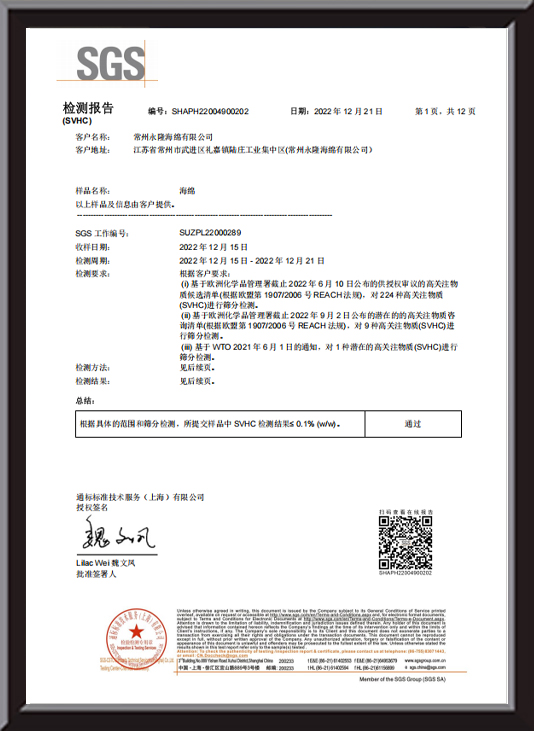
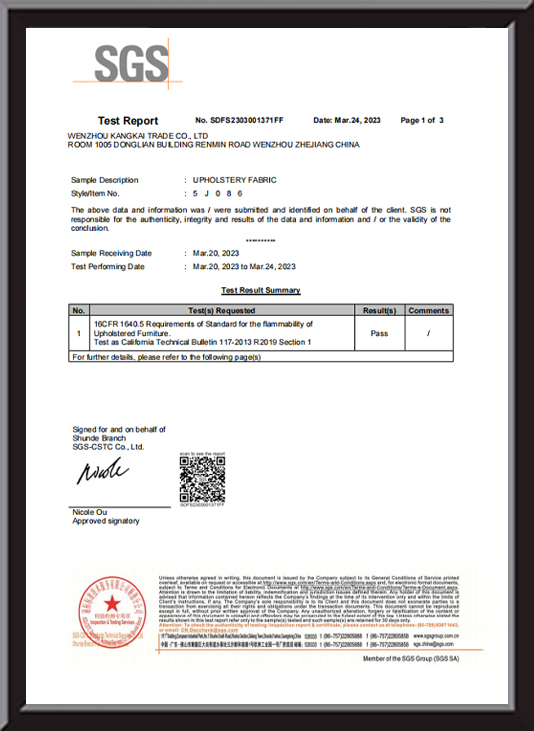
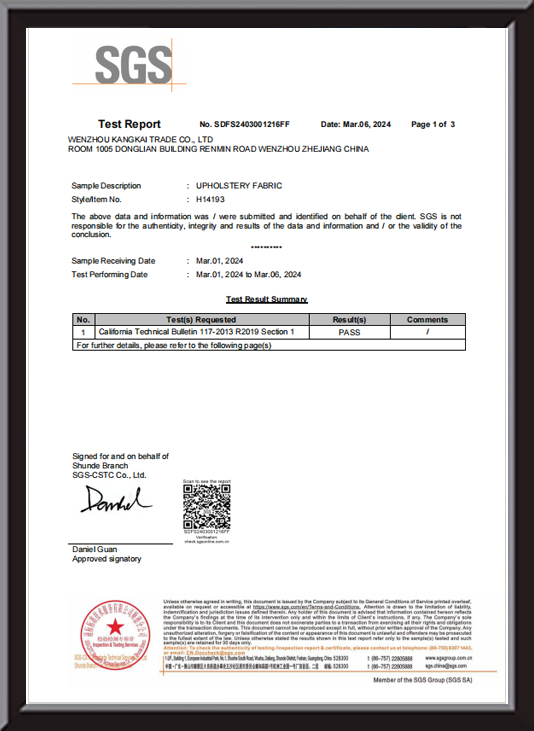
Robust quality control looks for weld integrity, dimensional tolerance, finish adhesion and fastener fit. Typical lab checks include static load tests to check deflection under prescribed weights, cyclic (fatigue) testing at joints and finishes adhesion tests after accelerated corrosion exposure. In production, jigs and fixtures to hold parts in the correct orientation during welding and finishing improve repeatability and reduce assembly rework.
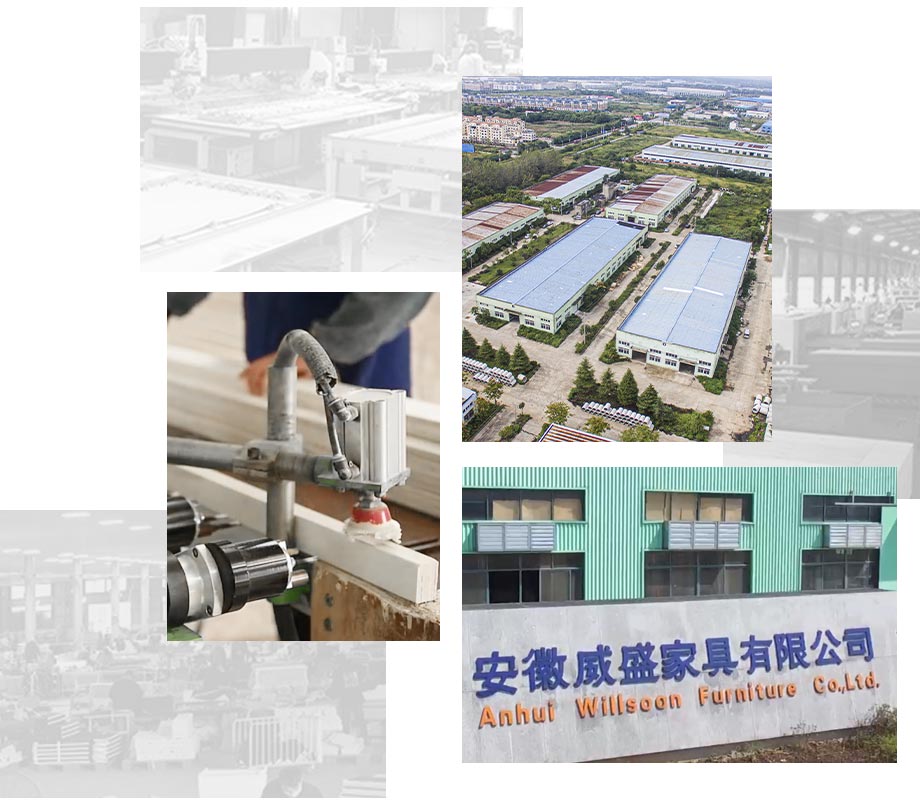
We know what consistent production means — with over 14 years in furniture manufacturing and a well-equipped 60,000 m² facility staffed by experienced technicians, we prioritize repeatable quality in every batch. Our factory capacity supports steady deliveries (we handle large orders smoothly), and that production discipline is what lets us offer reliable warranty support and predictable lead times.
Several small design choices reduce shipping costs and improve customer experience: bolted subassemblies that nest together in cartons, the use of captive fasteners to avoid lost parts during delivery, and simple, clear assembly instructions. Packaging that protects painted surfaces at the contact points and uses recyclable materials also reduces damage claims and aligns with sustainability goals.
If you need large, consistent supply, we can scale production: our monthly capacity of 130 containers means you won’t need to compromise on lead time or consistency when placing bulk orders. We’re committed to making sure each metal bed frame we ship meets the standards you expect.
If you'd like, I can adapt these guidelines into a printable assembly card or a short care leaflet for customers — that’s something we often produce to reduce support calls and improve first-time satisfaction.

Baishijian Rd, Langxi Economic Development Zone, Langxi, Anhui 242100, China
+86 563 7375018 (Office)
+86 15956277532 (Mobile)
[email protected] (E-mail)
Contact us for the latest inspiration and our latest product catalogue.



 Deutsch
 Español
 Français
 русский