


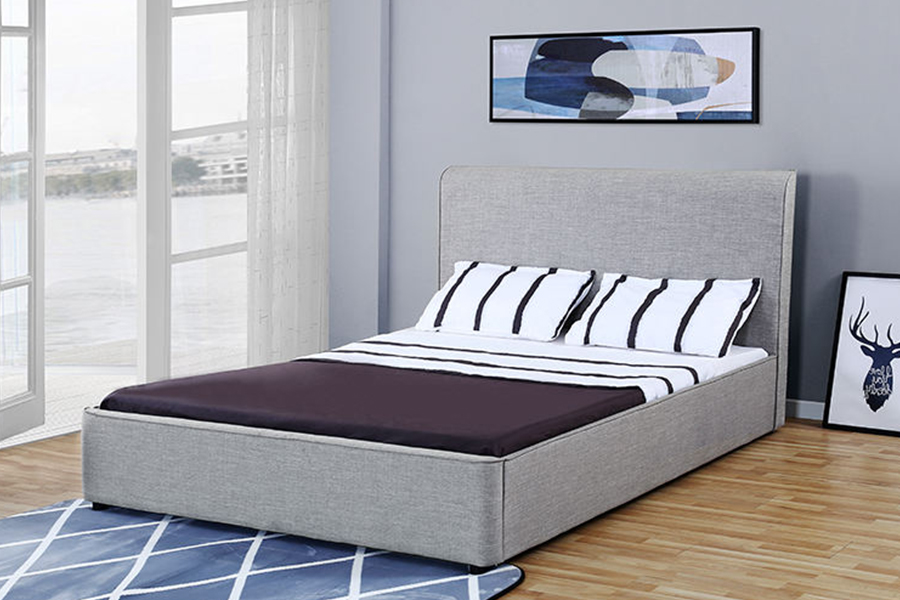
This Trundle Bunk Upholstered Bed Frame is designed with space optimization in mind, making it the perfect solution for rooms with limited space. The unique roller design allows for easy movement of the bed, enabling effortless adjustments to the layout at any time. The bunk bed structure maximizes vertical space, providing ample sleeping areas while making the most of every inch of the room.
For families with children or those who frequently host guests, this bed is an ideal choice. The lower bed is cleverly designed to be easily pulled out, offering additional sleeping space for overnight guests or children. The upholstered design not only enhances comfort but also adds a touch of warmth to the room. Its soft touch and stylish appearance make it a visually appealing option.
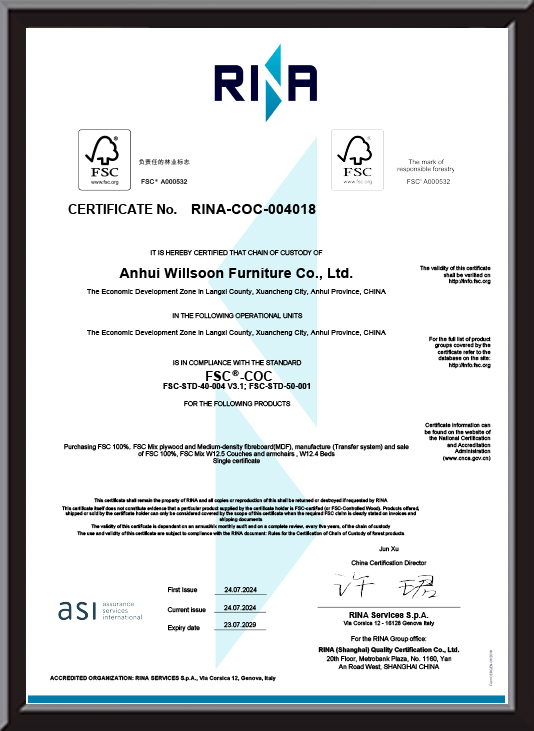
The materials used in this Trundle Bunk Bed are carefully selected for durability and aesthetics, ensuring it remains in great condition for years.

Why LED Upholstered Bed Frames Are Worth Considering LED upholstered bed frames combine the plush comfort of padded headboards with integrated ambient lighting, creating a modern and functional centerpiece for any bedroom. These beds offer customizable mood lighting, enhanced ae...
View MoreHidden Storage Without Adding a Single Cabinet Open the lid, drop in the throw blankets, close it, and the living room looks tidy again in under a minute. That's the entire pitch for a storage ottoman in practical terms — it solves a clutter problem without adding a cabinet, a c...
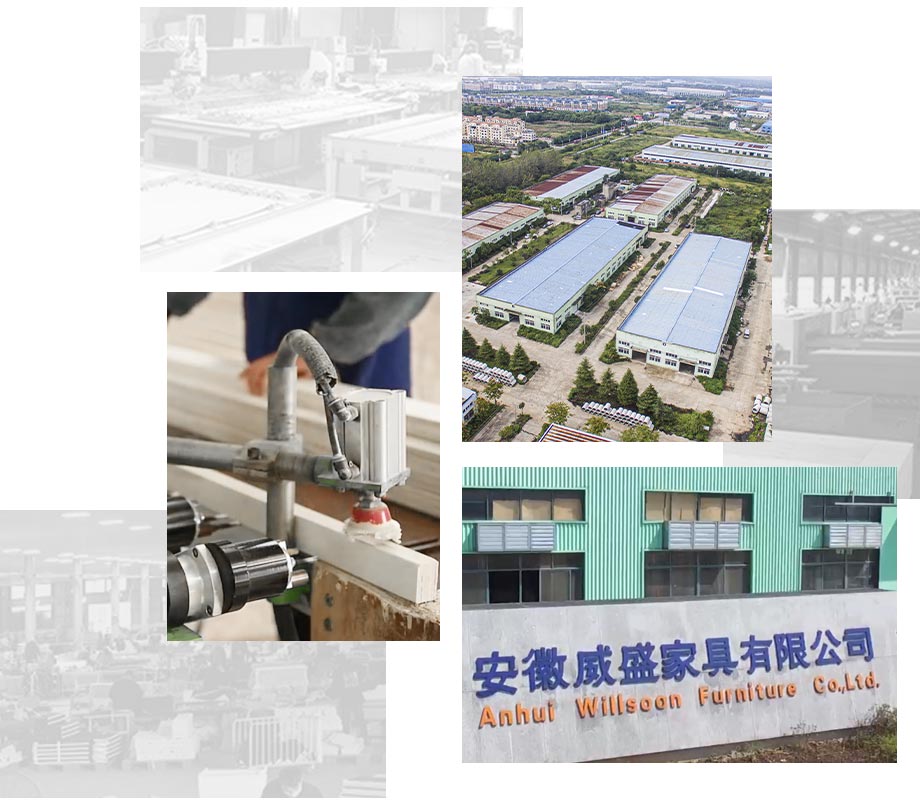
View MoreAnhui, China – June 2026 – Anhui Willsoon Furniture Co., Ltd. recently welcomed a valued customer from the Maldives to its manufacturing facility for an in-depth factory tour and business exchange. The visit provided an excellent opportunity for both parties to strengthen mutual ...
View MoreBecause trundle bunk upholstered bed frames include both vertical load-bearing elements and horizontal sliding mechanisms, reinforcement strategies must be designed with dual-motion stability in mind. Manufacturers often combine kiln-dried hardwood with steel brackets at stress points to prevent twisting caused by the trundle’s frequent pull-out movement. Upholstered surfaces require additional foam-backed stabilizers to ensure the fabric does not loosen or wrinkle due to lateral pressure. Reinforced corner blocks and a cross-support grid beneath the upper bunk help distribute weight evenly, reducing long-term fatigue in the frame.
A high-performing trundle bunk system depends heavily on the smoothness and noise level of its track or roller mechanism. Nylon-coated casters reduce friction and prevent metal-on-metal sound, making them ideal for upholstered furniture where silence enhances comfort. Soft-close or damping components may also be integrated to prevent abrupt movement when the trundle reaches its fully extended position. Additionally, dust-resistant track housings help maintain long-term performance by shielding the rollers from debris buildup, which commonly causes squeaking or uneven sliding.
Upholstered bunk frames with a trundle require fabrics and padding that can withstand repeated friction from movement. Microfiber, linen blends, and high-grade faux leather are commonly chosen due to their abrasion resistance and low stretch rate. The upholstered sections around the trundle opening should incorporate anti-scuff piping or reinforced stitching to prevent premature wear. Manufacturers often apply backing layers or mesh reinforcement behind decorative fabric to keep the upholstery tight and prevent sagging as the trundle is operated daily.
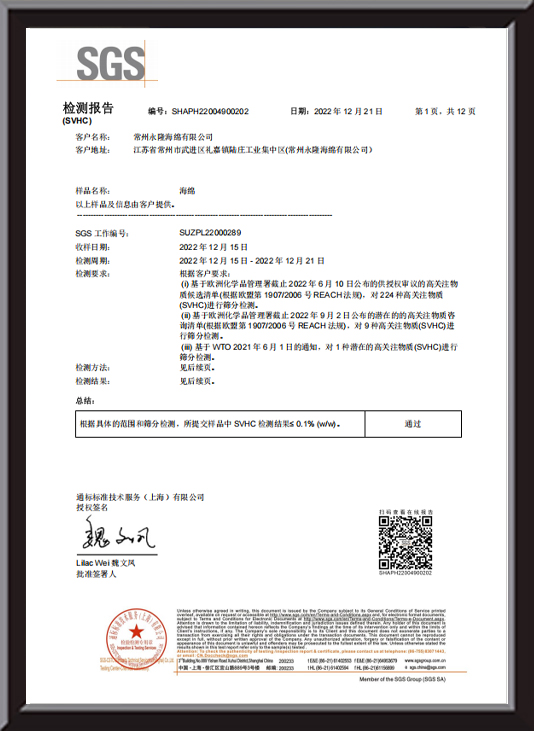
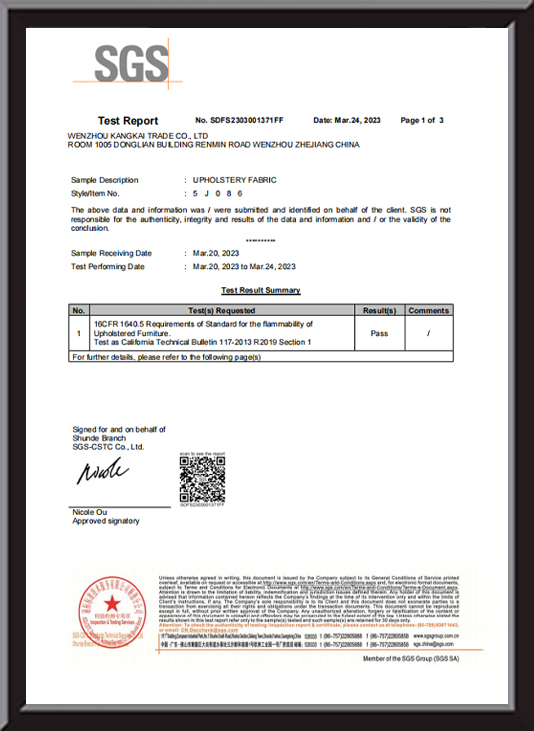
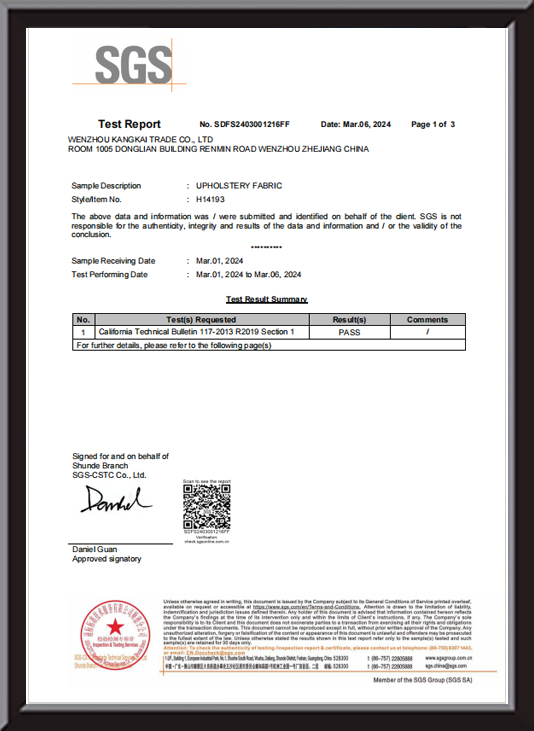
Safety requirements expand significantly when a bed frame includes multiple sleeping surfaces and movable parts. Guardrails must reach industry-recommended heights to prevent accidental roll-off, while the upholstered components should use flame-retardant foam to meet export certification standards. Child-friendly designs often incorporate rounded, padded edges to minimize impact injuries. To prevent the trundle from shifting unintentionally, many manufacturers include built-in locking casters or hidden stoppers that secure the lower bed when in use.
Different trundle support systems offer varying levels of durability and weight tolerance. The design chosen will determine not only load capacity but also maintenance frequency, noise level, and user experience. Metal grid bases tend to outperform plywood slats in long-term rigidity, while hybrid systems combining both provide a balanced solution for upholstered bunk structures.
| Support Type | Key Strengths | Potential Drawbacks |
| Metal Grid Base | Excellent weight support, minimal deformation | Heavier structure, slightly higher cost |
| Wooden Slats | Lightweight, easy to replace, cost-efficient | Lower load capacity, may produce noise over time |
| Hybrid Metal + Wood | Balanced strength and comfort, reduced noise | More complex construction and assembly |
Trundle bunk upholstered bed frames are often selected for households seeking to maximize room usage, but their efficiency depends greatly on thoughtful space planning. Low-profile trundle designs reduce clearance requirements, making them suitable for compact rooms or attic spaces. Upholstered headboards with built-in shelves or pockets provide additional storage without enlarging the footprint. For shared rooms, choosing fabrics that harmonize with the overall décor allows the multi-functional bed structure to blend seamlessly instead of appearing bulky.

Baishijian Rd, Langxi Economic Development Zone, Langxi, Anhui 242100, China
+86 563 7375018 (Office)
+86 15956277532 (Mobile)
[email protected] (E-mail)
Contact us for the latest inspiration and our latest product catalogue.



 Deutsch
 Español
 Français
 русский