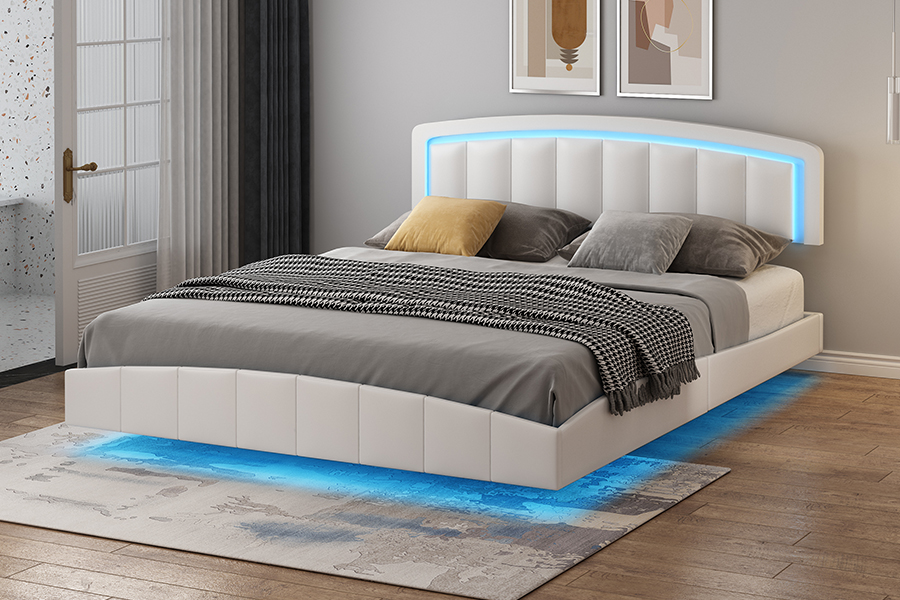


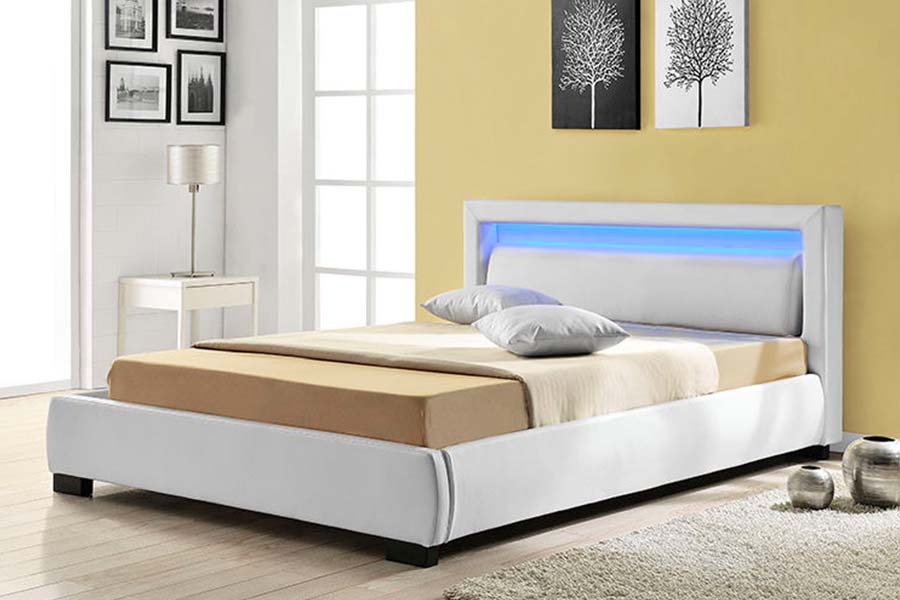


The LED Upholstered Bed Frame redefines the traditional bed design by seamlessly combining modern technology with ultimate sleep comfort. Each bed frame is equipped with an adjustable LED lighting system, allowing you to customize the brightness and color of the lights based on your personal preferences and the changing mood of your bedroom. Whether it's the warm glow of white light or the calming blue hue, these lights help create the ideal atmosphere for relaxation and deep sleep.
What's more, the color-changing LED lights can instantly transform the entire ambiance of your room, setting the mood for a romantic, serene, or energizing environment. Every detail has been thoughtfully crafted to enhance your living experience to its fullest.
The soft upholstery combined with a high-quality bed frame creates a sleep space that is both comfortable and modern. Whether you're seeking a restful night’s sleep or simply enjoying some leisurely time in bed, this frame is the perfect fit for your needs. It’s not just a place to sleep—it’s an integral part of your living space, enhancing your overall home experience.


Why LED Upholstered Bed Frames Are Worth Considering LED upholstered bed frames combine the plush comfort of padded headboards with integrated ambient lighting, creating a modern and functional centerpiece for any bedroom. These beds offer customizable mood lighting, enhanced ae...
View MoreHidden Storage Without Adding a Single Cabinet Open the lid, drop in the throw blankets, close it, and the living room looks tidy again in under a minute. That's the entire pitch for a storage ottoman in practical terms — it solves a clutter problem without adding a cabinet, a c...
View MoreAnhui, China – June 2026 – Anhui Willsoon Furniture Co., Ltd. recently welcomed a valued customer from the Maldives to its manufacturing facility for an in-depth factory tour and business exchange. The visit provided an excellent opportunity for both parties to strengthen mutual ...
View MoreWhen embedding LED components into an upholstered bed frame, manufacturers must balance illumination performance with long-term durability. Moisture-resistant LED strips, reinforced cable routing, and low-heat drivers prevent deterioration under fabric layers. High-quality foam and padding should not compress the wiring excessively; otherwise, micro-bending damage may occur over time. Many factories now incorporate concealed channels made from thin ABS or aluminum sleeves inside the frame to ensure stable wiring protection without affecting the softness of the upholstery.
LED lighting built into a bed frame serves more than decoration—it enhances nighttime mobility and sleep safety. Soft under-bed lighting prevents sudden exposure to strong brightness during midnight movements, helping maintain melatonin levels. Adjustable brightness ensures the lighting supports activities such as reading, relaxing, or safe walking. In modern production, motion-sensor modules can be added to trigger lights automatically with foot movement, minimizing sleep disruption for bed partners.
Not all upholstery fabrics react the same way to light or heat. Velvet and microfiber absorb light and provide a soft glowing effect around the LED strips, while leather and PVC reflect light more intensely and may require diffusers to avoid glare. Fabrics with higher thermal resistance extend the lifespan of the lighting system by preventing heat accumulation. In some cases, woven materials with slight translucence can create a unique halo effect when paired with embedded LED piping.
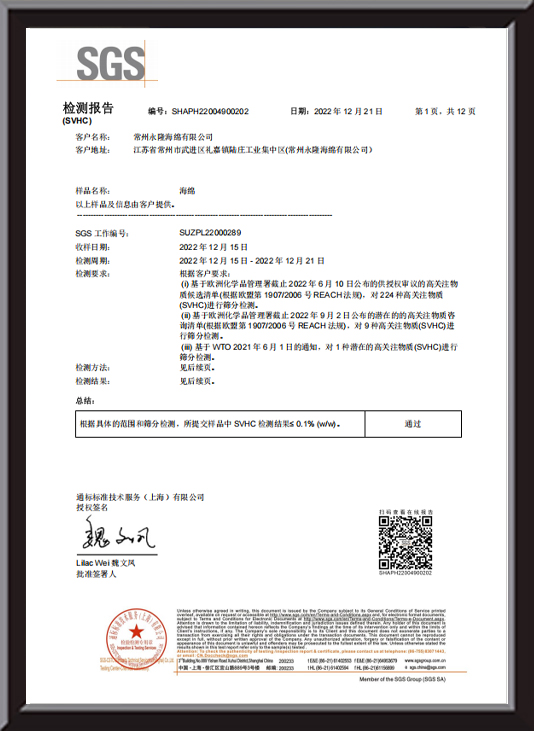
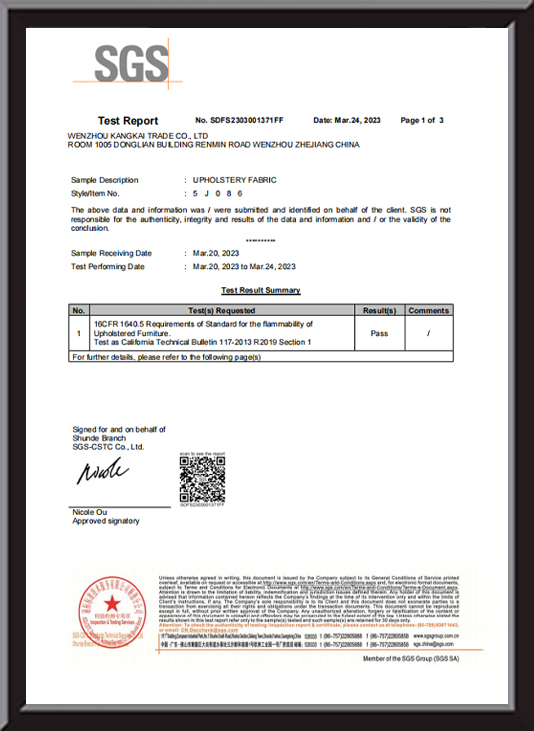
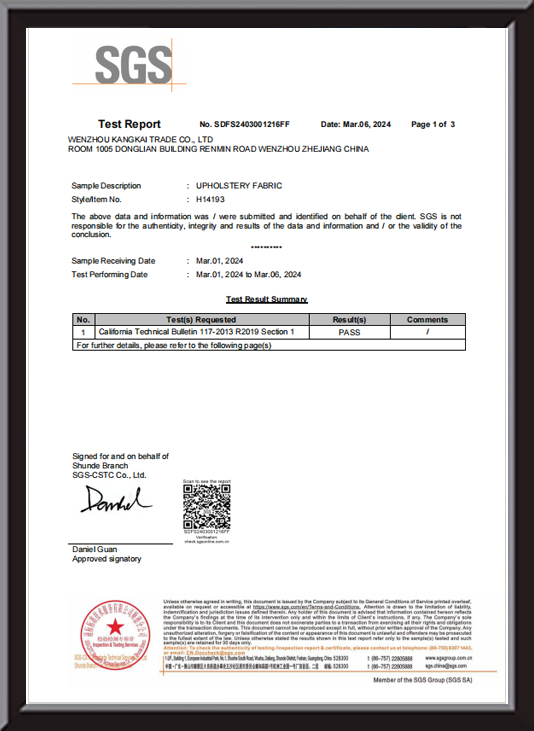
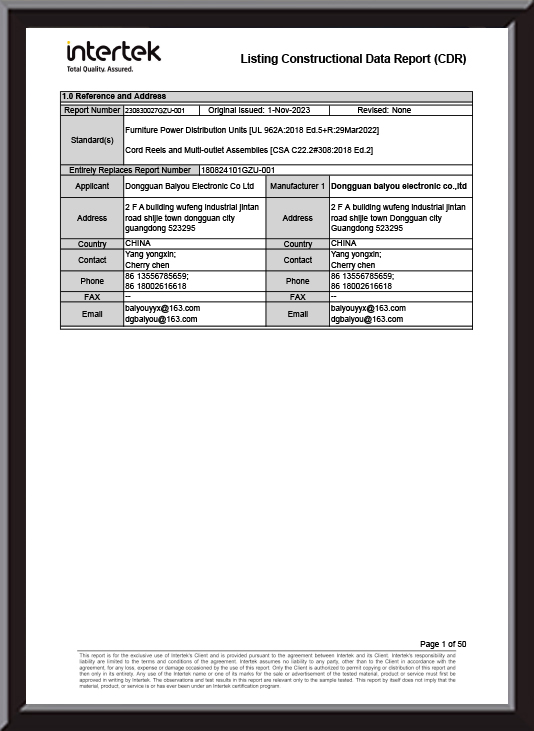
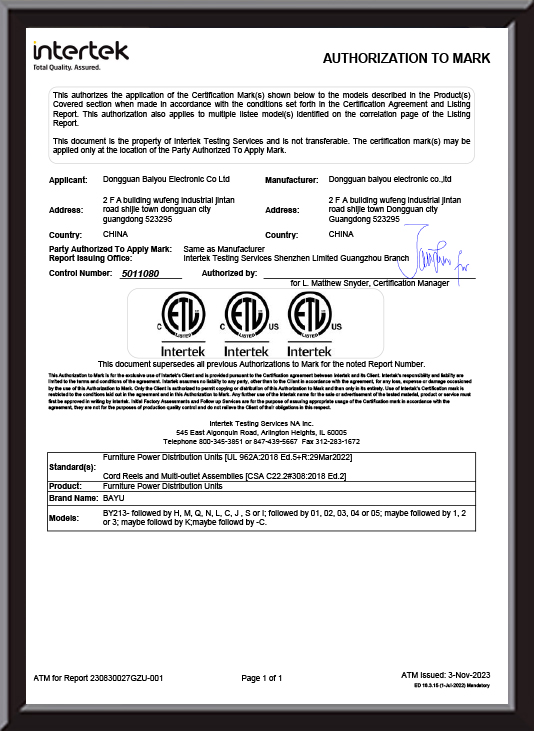
LED upholstered bed frames require stable low-voltage power management to ensure user safety. Manufacturers typically use 12V or 24V power systems that comply with international safety certifications. Over-current and short-circuit protection modules must be embedded within the frame, especially when the bed structure is metal-based. For markets with strict compliance requirements, flame-retardant foam and certified power adapters help manufacturers meet global export standards.
The control system affects user experience and production cost. While traditional remote controllers remain popular due to their simplicity, smartphone app controls allow for more advanced features such as custom color cycles, sleep timers, and voice integration. Touch-sensitive panels embedded within the headboard provide an intuitive option but require enhanced structural reinforcement to avoid fabric deformation affecting the sensor’s accuracy.
| Control Type | Advantages | Limitations |
| Remote Control | Simple, low cost, user-friendly | Limited functions, easy to misplace |
| App Control | Advanced settings, color modes, automation | Requires Wi-Fi/Bluetooth stability |
| Touch Panel | Integrated design, fast response | Higher production cost and structural demands |
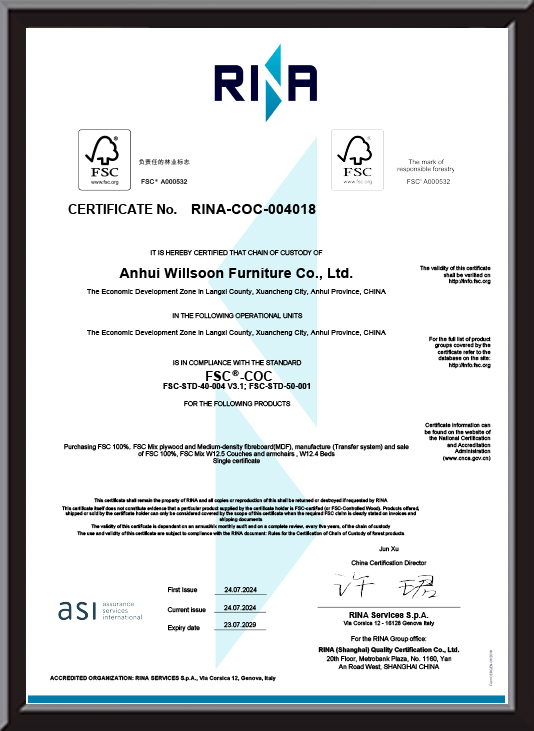
With increasing emphasis on sustainable furniture production, LED bed frames are shifting toward energy-efficient lighting solutions and recyclable materials. LED systems with ultra-low power consumption support green manufacturing initiatives while reducing long-term user energy costs. Upholstery producers often choose water-based adhesives, FSC-certified wood, and environmentally safe foams. Long-life LED modules decrease replacement frequency, reducing electronic waste and improving the product’s environmental footprint.

Baishijian Rd, Langxi Economic Development Zone, Langxi, Anhui 242100, China
+86 563 7375018 (Office)
+86 15956277532 (Mobile)
[email protected] (E-mail)
Contact us for the latest inspiration and our latest product catalogue.



 Deutsch
 Español
 Français
 русский