


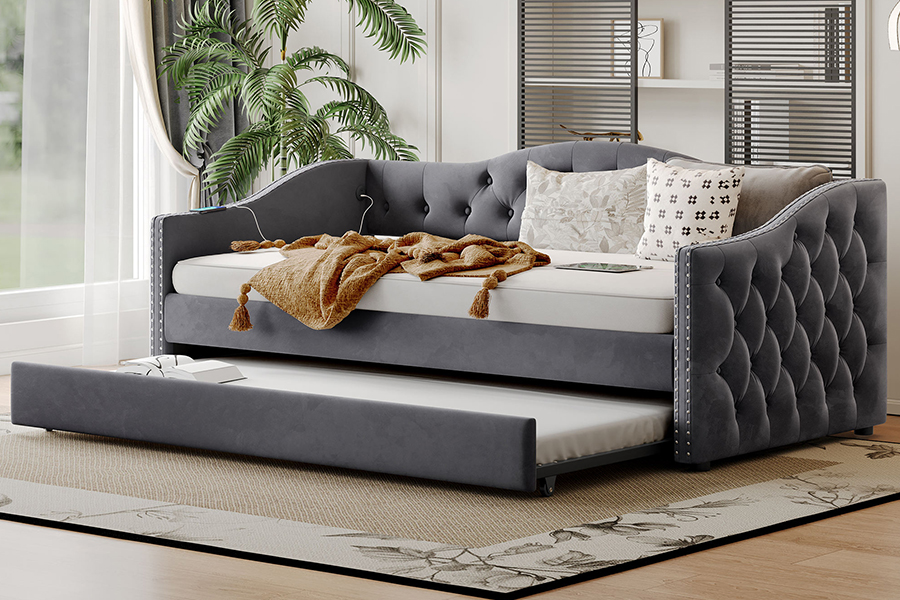


The Sofa Bed combines comfort and versatility, making it an ideal solution for spaces that require both seating and sleeping arrangements. During the day, it functions as a stylish and comfortable sofa, perfect for relaxing, entertaining guests, or enjoying family time. Its design is tailored to suit various living room aesthetics, providing a modern touch without compromising on comfort.
When the day comes to an end, the Sofa Bed seamlessly transforms into a cozy sleeping surface, offering a restful space for overnight guests. This easy conversion feature ensures convenience and efficiency, as the transition from sofa to bed takes only a few moments. Whether you’re hosting visitors or need a temporary sleeping arrangement, the Sofa Bed ensures your guests enjoy a comfortable sleep experience.
Crafted with durable materials, the Sofa Bed is built to withstand everyday use while maintaining its functionality and aesthetics. The construction prioritizes comfort, ensuring both seating and sleeping experiences are top-notch. It’s a perfect blend of practicality and style, making it an excellent addition to any home that values space-saving furniture without sacrificing quality.

Why LED Upholstered Bed Frames Are Worth Considering LED upholstered bed frames combine the plush comfort of padded headboards with integrated ambient lighting, creating a modern and functional centerpiece for any bedroom. These beds offer customizable mood lighting, enhanced ae...
View MoreHidden Storage Without Adding a Single Cabinet Open the lid, drop in the throw blankets, close it, and the living room looks tidy again in under a minute. That's the entire pitch for a storage ottoman in practical terms — it solves a clutter problem without adding a cabinet, a c...
View MoreAnhui, China – June 2026 – Anhui Willsoon Furniture Co., Ltd. recently welcomed a valued customer from the Maldives to its manufacturing facility for an in-depth factory tour and business exchange. The visit provided an excellent opportunity for both parties to strengthen mutual ...
View MoreSofa-bed performance starts with the frame. The frame defines conversion smoothness, long-term durability, and the maximum safe mattress thickness. Steel tubular frames are common for pull-out mechanisms because they combine high tensile strength with predictable flex behavior. Solid hardwood or engineered plywood platforms are used under futons and lift-and-slide types to give uniform support and reduce point loading on upholstery. When we manufacture, we grade frame steel by yield strength and wall thickness, and specify corrosion-resistant finishes for coastal shipments.
Choosing the right mattress for a sofa bed requires balancing comfort, storage constraints, and folding/rolling ability. Mattress thickness is often limited by the mechanism: classic pull-outs typically accept 8–12 cm (3–5") for storage convenience, whereas European-style click-clack or full-frame foldouts can allow thicker options. We usually recommend hybrid or high-resilience foam in our models to give the feeling of a real bed while still permitting compact storage.
| Mattress Type | Typical Thickness | Pros | Cons |
| Innerspring (mini coils) | 8–12 cm | Good airflow; familiar "bed" feel; durable when reinforced. | Can be noisy; less contouring; heavier for mechanisms. |
| High-resilience foam | 6–10 cm | Lightweight; flexible for folding; good support per thickness. | Less cooling; can compress over long periods if low density. |
| Memory foam | 6–10 cm | Excellent pressure relief; conforms to body shape. | Retains heat; may hinder quick re-folding if too thick. |
| Latex (natural/synthetic) | 6–10 cm | Durable, breathable, resilient — good for frequent use. | Higher cost; heavier than foam alternatives. |
| Foldable multilayer hybrid | 8–14 cm (depends on mechanism) | Balanced comfort and support; engineered for folding points. | More complex manufacturing; higher price point. |
Upholstery impacts comfort, cleaning, and the perceived value of a sofa bed. Performance fabrics (polyester blends, tightly woven acrylics, engineered synthetics) balance stain resistance with abrasion durability; natural fibers like cotton or linen feel premium but require protective finishes for heavy-use pieces. We recommend removable, zippered cushion covers where possible to simplify cleaning and replacement in the field.
When placing a sofa bed in compact living areas, allow for conversion clearance and circulation. Measure the fully extended bed footprint and add 30–50 cm clearance on the open side for safe ingress/egress. If the sofa backs against a wall, ensure the mechanism does not require rear clearance — many pull-out designs are wall-friendly, while others need space behind the backrest. We routinely supply a conversion diagram with each model so customers can confirm fit before purchase.
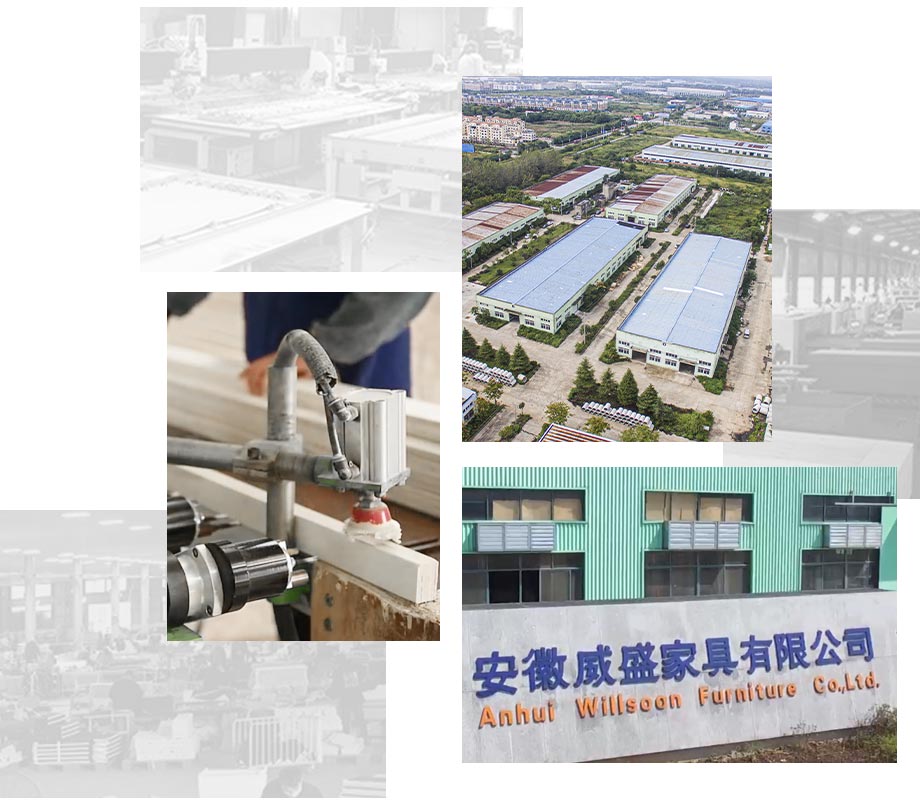
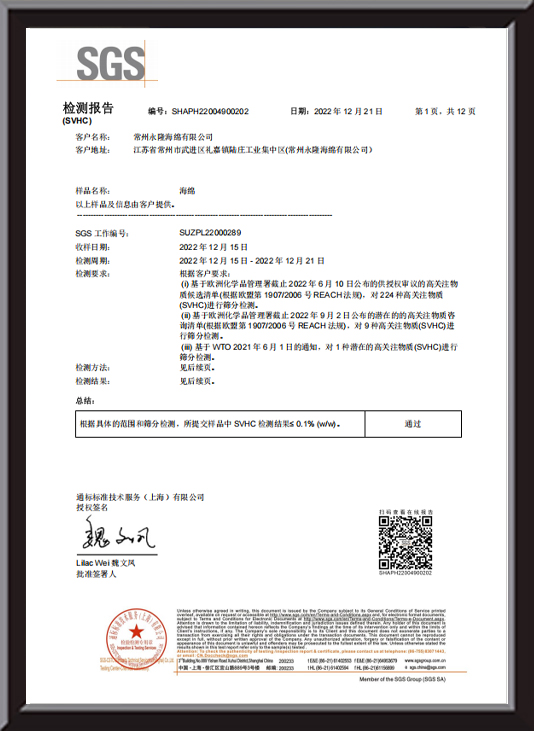
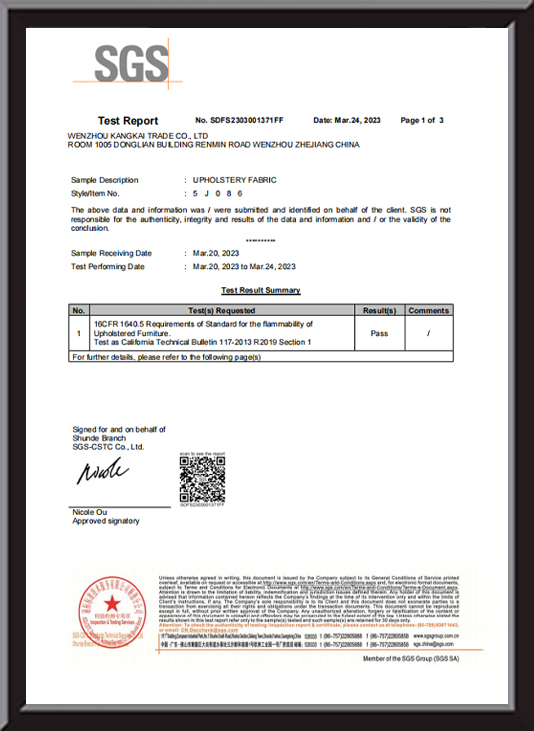
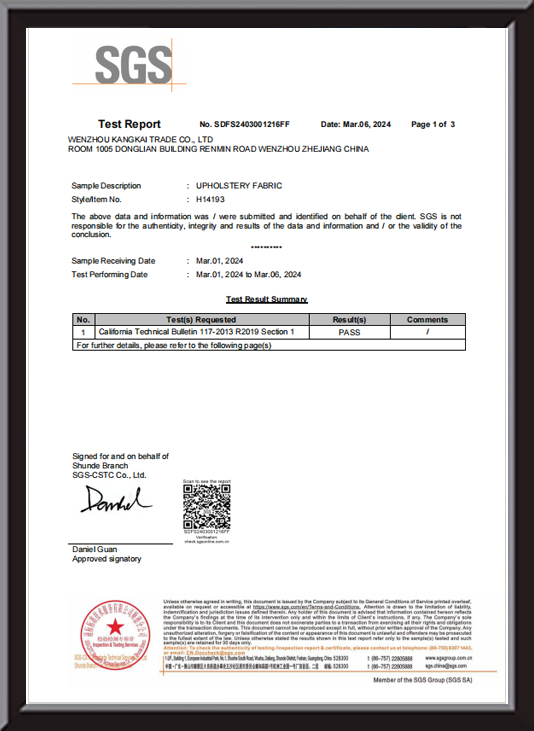
High-volume production requires consistent QC to reduce returns. Typical tests include: static load testing to certification limits, cyclic fatigue testing of hinges and slides (simulating thousands of open/close cycles), flammability testing of foams and upholstery to meet destination market regulations, and dimensional checks for packing/stacking tolerances. At our 60,000 m² plant, we run batch sampling on each production lot and keep traceability records for frame welds, foam density, and fabric batches; this reduces field failures and speeds up warranty handling.
Designing for serviceability extends product life: modular cushion systems, replaceable slats, and standardized fasteners simplify in-home repairs. Warranties should clearly define wear items (cushion foam, removable covers) versus structural components (frame, mechanism). We offer spare parts support for common wear items and can provide technical drawings on request to facilitate local repairs, reducing the total cost of ownership for buyers.
When specifying a sofa bed for hospitality, multi-family, or contract projects, insist on documented cycle-life tests, clear mattress compatibility limits, and service manuals. Small additions—like removable headrests, anti-sag support slats, or reinforced corner blocks—often pay for themselves by lowering callbacks and improving guest satisfaction. We design with these realities in mind and can scale production to handle large orders reliably.
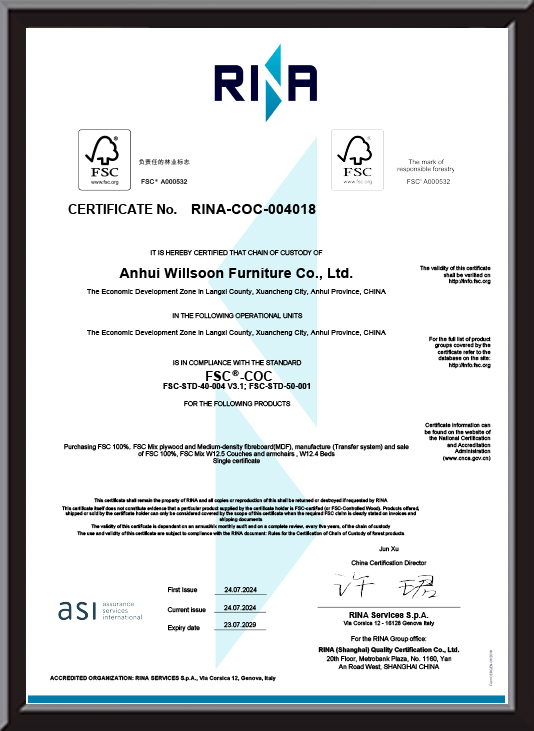
If you’d like, we can provide model-specific conversion diagrams, test certificates, or production lead-time estimates—just tell us which mechanism and mattress family you prefer and we’ll prepare the details.

Baishijian Rd, Langxi Economic Development Zone, Langxi, Anhui 242100, China
+86 563 7375018 (Office)
+86 15956277532 (Mobile)
[email protected] (E-mail)
Contact us for the latest inspiration and our latest product catalogue.



 Deutsch
 Español
 Français
 русский