The Bunk Metal Bed Frame offers an ideal solution for dormitories or families with multiple children. Designed to maximize the use of vertical space, it allows each child to have their own independent sleeping area, promoting both privacy and comfort. Whether in a shared room or a smaller space, this double-decker frame helps keep things organized and efficient.
Its sturdy metal construction ensures durability, while the clean, simple lines blend seamlessly with any room decor. The frame is designed for easy assembly, making it a practical choice for those in need of a space-saving yet long-lasting bed.
The space under the bottom bunk can be utilized for additional storage or a play area, adding even more convenience to this versatile bed frame. Perfect for growing families or students sharing dorm rooms, it provides both functionality and style.
Why LED Upholstered Bed Frames Are Worth Considering LED upholstered bed frames combine the plush comfort of padded headboards with integrated ambient lighting, creating a modern and functional centerpiece for any bedroom. These beds offer customizable mood lighting, enhanced ae...
View MoreHidden Storage Without Adding a Single Cabinet Open the lid, drop in the throw blankets, close it, and the living room looks tidy again in under a minute. That's the entire pitch for a storage ottoman in practical terms — it solves a clutter problem without adding a cabinet, a c...
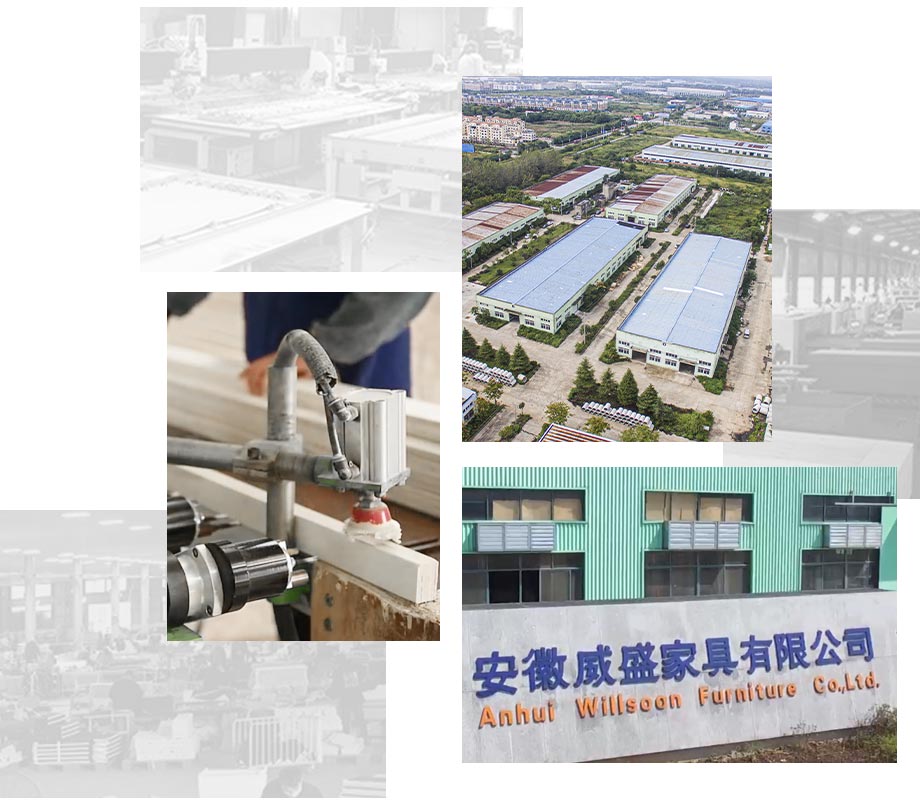
View MoreAnhui, China – June 2026 – Anhui Willsoon Furniture Co., Ltd. recently welcomed a valued customer from the Maldives to its manufacturing facility for an in-depth factory tour and business exchange. The visit provided an excellent opportunity for both parties to strengthen mutual ...
View MoreUnderstanding how weight transfers through a bunk metal bed frame helps extend its service life. Even though our workshop has spent years refining welding consistency, uneven loading—such as two occupants frequently climbing on one side of the ladder—can create micro-stress points. Strategically positioning mattresses and encouraging balanced entry habits reduces fatigue on the joints. For heavy-duty applications, adding anti-sway bars or reinforcing cross-ties is a simple upgrade that significantly improves long-term stability.
Metal frames naturally transmit vibration, which can amplify creaking when students or children move. Selecting tightly-wound spring mattresses, placing felt gaskets at ladder junctions, and tightening hardware every 6–8 months minimizes acoustic transfer. I often recommend adhesive rubber pads around the guardrail contact points—this inexpensive addition noticeably lowers noise in dormitory environments.
The clearance below the lower bunk offers valuable storage potential, but airflow must remain unobstructed. Lack of ventilation can trap humidity and affect mattress hygiene. Using modular crates with perforated sides maintains circulation while keeping items organized. When designing frames, we ensure the lower cross-beams allow air pathways, and I often remind clients that even high-capacity metal frames benefit from breathable storage solutions.
Ladder ergonomics directly affect safety, especially for younger users. Angle-style ladders reduce climbing effort, while vertical ladders save space but require firm grip surfaces. A small detail often overlooked is rung diameter—too narrow and it causes foot pressure; too wide and it becomes slippery. Below is a quick comparison my team often uses when advising customers:
| Ladder Type | Advantages | Ideal Use Case |
| Angled | Lower climbing strain; safer for children | Homes, shared kids’ rooms |
| Vertical | Space-saving; clean appearance | Dormitories, compact spaces |
| Integrated Steps | Dual-purpose storage; excellent stability | Family bedrooms needing extra organization |
High-quality powder coating increases corrosion resistance and enhances surface uniformity. Since our facility runs automated coating lines, I often emphasize the importance of selecting powder blends with strong adhesion performance, especially for coastal markets. Anti-scratch top layers help the frame maintain its appearance even under high student turnover, and matte textures hide minor abrasions far better than glossy finishes.
Guardrail design should account for mattress thickness, user movement, and local safety standards. A practical rule is ensuring the rail rises at least 12–16 cm above the top of the mattress. Some clients request extended rails for active sleepers, and our production flexibility allows adjustments without affecting load structure. Rounded edges or capped ends further reduce accidental bumps, an upgrade many families appreciate.
Periodic inspection of fasteners is one of the easiest ways to keep bunk metal bed frames stable. Temperature fluctuation, repeated climbing, and lateral sway all contribute to loosening over time. I usually advise a tightening schedule every semester in dormitories and every six months in homes. Using thread-locking compounds on high-stress points provides extra assurance for heavily used environments.
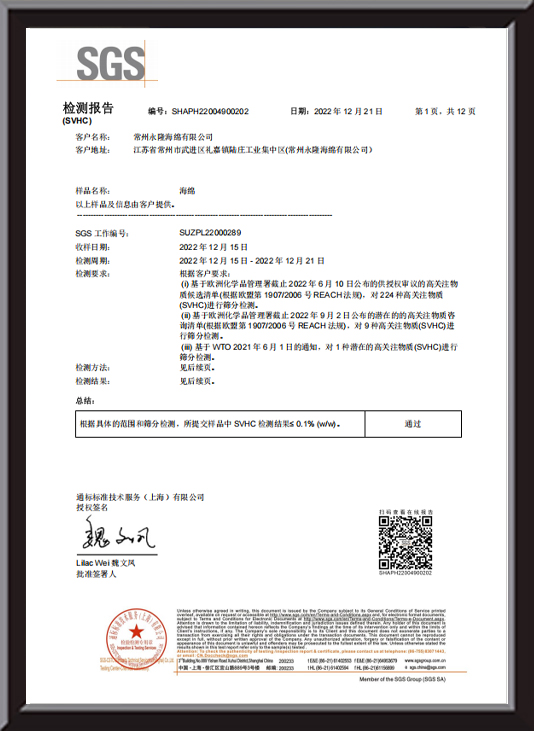
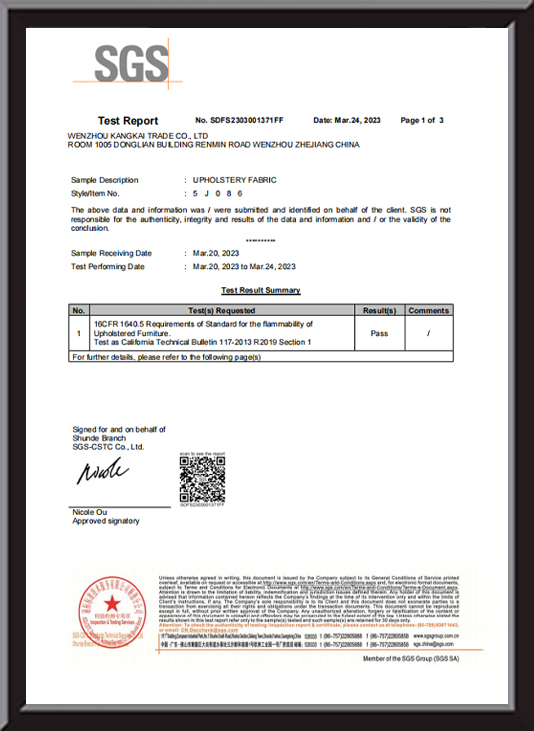
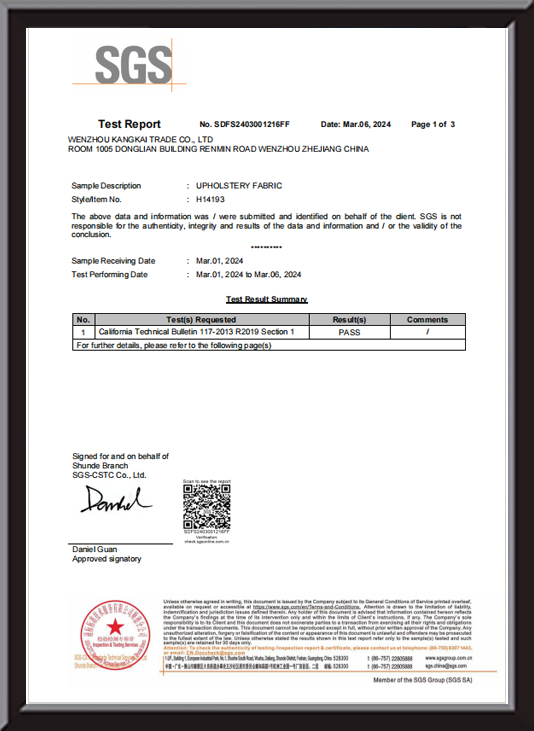
While bunk metal bed frames are inherently non-combustible, accessories such as mattress fabrics, curtains, or hanging organizers may increase fire load. Choosing flame-retardant textiles and avoiding obstructing escape routes is essential. Many facility managers appreciate that our metal frames maintain structural integrity under high temperature, offering an extra layer of safety in regulated settings.
Some bunk metal bed frames allow future conversion into two standalone beds. This modularity suits families with children transitioning into separate rooms. When designing such systems, alignment of mounting holes and consistent leg geometry are crucial for safe reconfiguration. Our production line maintains strict dimensional control, making these conversions smooth and reliable for long-term use.

Baishijian Rd, Langxi Economic Development Zone, Langxi, Anhui 242100, China
+86 563 7375018 (Office)
+86 15956277532 (Mobile)
[email protected] (E-mail)
Contact us for the latest inspiration and our latest product catalogue.



 Deutsch
 Español
 Français
 русский
