


 Deutsch
 Español
 Français
 русский
Content
Introduction to Wooden Bed Frames
Wooden bed frames have been a staple in home furniture for centuries, offering a timeless combination of durability, aesthetic appeal, and practicality. With a variety of wood types, finishes, and designs, they can complement different interior styles, from traditional to contemporary. Beyond visual appeal, wooden bed frames provide solid structural support, enhancing mattress longevity and overall sleep quality. This article explores the multifaceted advantages of wooden bed frames, their design versatility, and how they fit into modern home interiors.
Types of Wood Used in Bed Frames
The choice of wood significantly affects the durability, weight, appearance, and cost of a bed frame.
Hardwood Options
Hardwoods like oak, maple, cherry, and walnut are popular due to their strength and longevity. They resist warping and dents, making them ideal for long-term use. Hardwood frames often feature natural wood grains, providing elegant textures that enhance bedroom aesthetics.
Softwood Options
Softwoods such as pine or cedar are lighter and often more affordable. While slightly less durable than hardwoods, they allow for easy customization, painting, and carving, making them suitable for decorative and contemporary designs.
Engineered Wood Options
Engineered wood products like plywood or MDF offer cost-effective solutions while maintaining consistent structural strength. These materials can be laminated or veneered to mimic natural wood, providing design flexibility without high material costs.
Design Versatility and Aesthetic Appeal
Wooden bed frames offer extensive design possibilities, allowing homeowners to achieve different interior styles.
Traditional and Classic Styles
Traditional wooden bed frames often feature ornate carvings, high headboards, and footboards. These designs evoke elegance and timeless charm, fitting well in classic or vintage-inspired bedrooms.
Modern and Minimalist Designs
Contemporary wooden bed frames prioritize clean lines, low profiles, and neutral finishes. Minimalist designs blend seamlessly with modern interiors while maintaining warmth and natural appeal through exposed wood textures.
Customizable Finishes and Colors
Wood can be stained, painted, or varnished in a variety of colors and finishes. This allows homeowners to match bed frames with room themes, flooring, and other furniture, offering a cohesive and visually appealing interior.
Practical Advantages of Wooden Bed Frames
Beyond aesthetics, wooden bed frames provide practical benefits that enhance bedroom functionality.
Structural Strength and Durability
Wooden frames provide sturdy support for mattresses of all sizes and types. Properly constructed frames prevent sagging, extend mattress life, and ensure stable support for years, making them a long-term investment.
Ease of Maintenance
Wooden frames require minimal maintenance. Regular dusting and occasional polishing are sufficient to preserve their appearance. Durable finishes resist scratches and stains, maintaining an attractive look over time.
Adaptability to Storage Needs
Many wooden bed frames incorporate storage features such as drawers or under-bed compartments. This maximizes bedroom space, providing practical storage solutions without the need for additional furniture.
Environmental Sustainability
Wood sourced from responsibly managed forests can be an eco-friendly choice. Wooden bed frames are biodegradable and recyclable, reducing environmental impact compared to metal or synthetic materials.
Comparison with Other Bed Frame Materials
Comparing wooden bed frames with metal and upholstered alternatives highlights their advantages.
| Feature | Wooden Bed Frame | Metal Bed Frame | Upholstered Bed Frame |
| Durability | High (long-lasting) | Moderate (may rust) | Moderate (fabric may wear) |
| Aesthetic Flexibility | High (variety of finishes) | Moderate (industrial look) | Moderate to high (limited by fabric choices) |
| Maintenance | Low (dusting, polishing) | Moderate (rust prevention) | High (cleaning fabric) |
| Weight | Moderate | High (heavy metal) | Varies (depends on frame and padding) |
| Environmental Impact | Low if sourced responsibly | Moderate (metal processing) | Moderate to high (synthetics) |
Trends in Wooden Bed Frame Design
Contemporary trends continue to enhance both the style and practicality of wooden bed frames.
Floating and Platform Designs
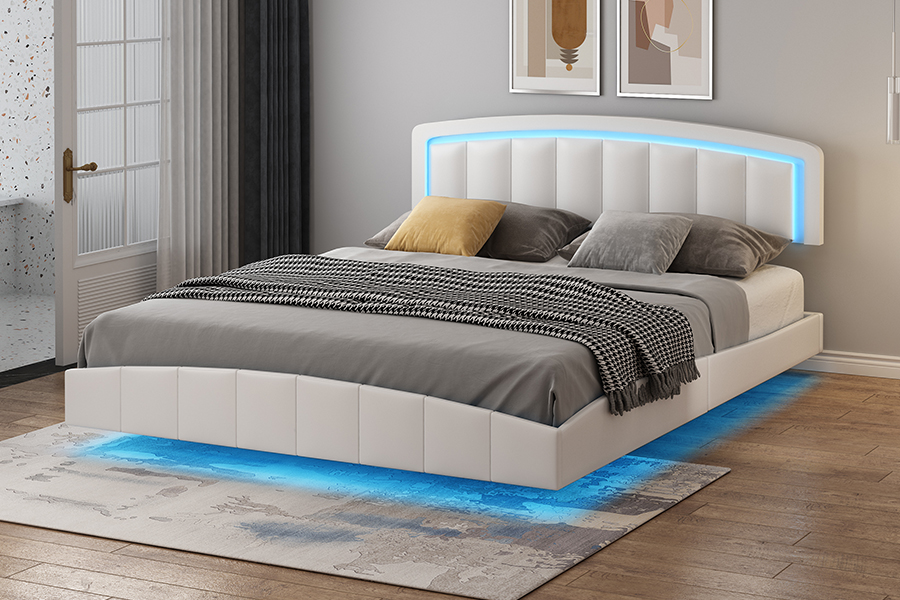
Low-profile platform frames with hidden legs create a floating effect, offering a modern aesthetic and making rooms appear more spacious.
Integrated Technology
Some wooden bed frames incorporate built-in lighting, USB ports, or wireless charging stations, combining traditional materials with modern functionality.
Sustainable and Reclaimed Wood
The use of reclaimed or sustainably harvested wood is increasingly popular, offering eco-conscious consumers stylish and environmentally responsible options.
Conclusion
Wooden bed frames offer a unique combination of style, practicality, and durability that suits a wide range of home interiors. With a variety of wood types, finishes, and design options, they can enhance bedroom aesthetics while providing robust support and storage solutions. Compared to metal or upholstered alternatives, wooden frames often offer better longevity, maintenance ease, and environmental benefits. Modern trends such as platform designs, integrated technology, and sustainable materials further expand their appeal, making wooden bed frames an ideal choice for homeowners seeking both beauty and functionality in bedroom furniture.