


 Deutsch
 Español
 Français
 русский
Content
- 1 Design and Visual Appeal
- 2 Lighting Functionality and Practical Use
- 3 Comfort and Upholstery Construction
- 4 Power Supply, Wiring, and Safety
- 5 Maintenance and Long-Term Durability
- 6 Cost Differences and Value Considerations
- 7 Suitability for Different Living Scenarios
- 8 Direct Comparison Overview
- 9 Which Option Makes More Sense
Design and Visual Appeal
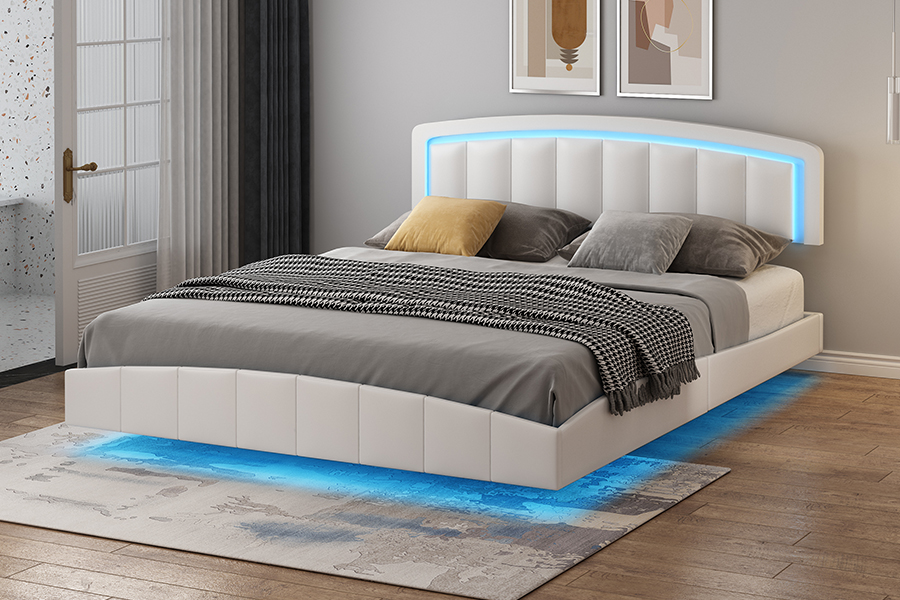
LED upholstered bed frames differ from regular upholstered beds primarily in their visual presentation. While both types focus on padded headboards and fabric or leather finishes, LED versions integrate lighting elements into the headboard, side rails, or base. This lighting adds a layered aesthetic that can transform the bed into a focal point rather than just a functional piece of furniture.
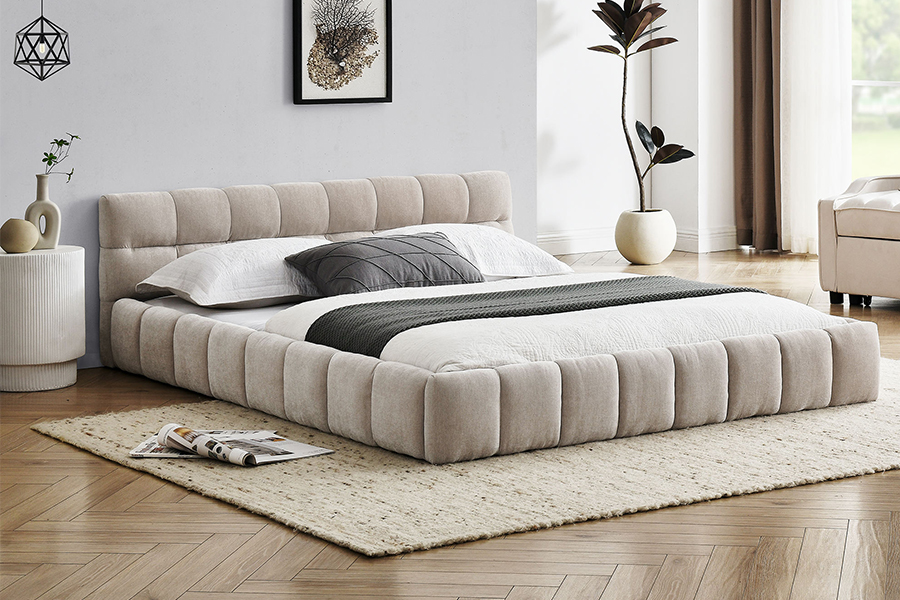
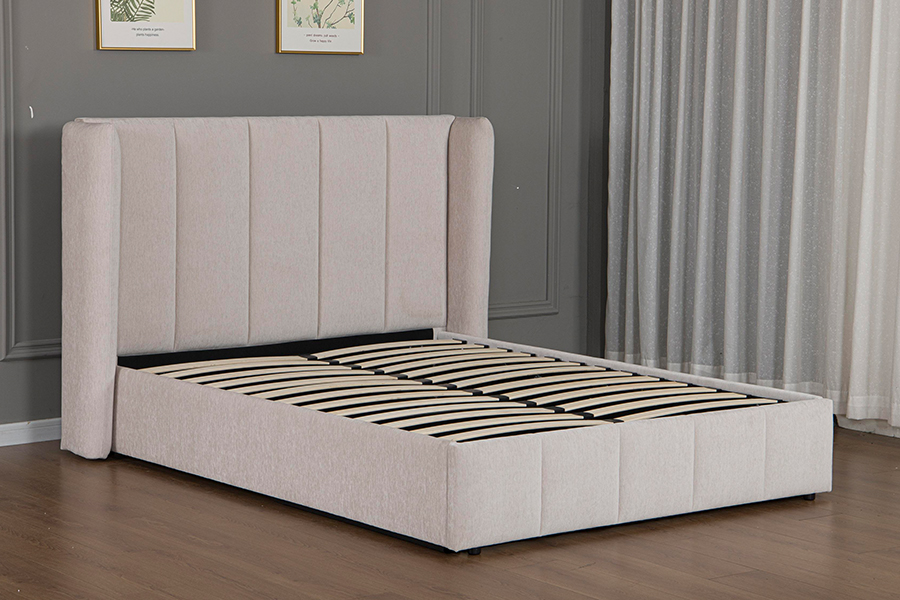
Regular upholstered beds typically rely on shape, stitching, tufting, and material texture to create appeal. They suit classic, minimalist, or hotel-inspired interiors. In contrast, LED upholstered bed frames align more closely with modern, tech-inspired, or lifestyle-driven bedroom designs where atmosphere and mood are prioritized alongside comfort.
Lighting Functionality and Practical Use
The defining feature of LED upholstered bed frames is the built-in lighting system. These lights are not purely decorative; they often serve practical purposes such as nighttime visibility, ambient illumination, and space zoning within the bedroom. Many models allow users to control brightness or color temperature, enhancing usability.
Regular upholstered beds do not include integrated lighting, which means users must rely on bedside lamps or wall-mounted fixtures. This traditional setup works well for reading or task lighting but lacks the subtle ambiance that integrated LEDs can provide during evenings or nighttime movement.
Common LED Lighting Features
- Soft backlighting behind the headboard for ambient glow
- Low-level base lighting for safer nighttime movement
- Remote or app-controlled brightness and color modes
Comfort and Upholstery Construction
In terms of comfort, LED upholstered bed frames and regular upholstered beds are fundamentally similar. Both use foam padding, fabric, faux leather, or genuine leather to provide a soft surface for leaning, reading, or resting. Comfort depends more on foam density, upholstery quality, and structural design than on lighting integration.
However, LED bed frames often require slightly thicker headboards to house wiring and light strips. This can result in a more substantial feel, which some users find more supportive when sitting up in bed. Regular upholstered beds may offer slimmer profiles that suit compact or minimalist spaces.
Power Supply, Wiring, and Safety
One practical difference lies in power requirements. LED upholstered bed frames require access to an electrical outlet or built-in power adapters. Quality designs conceal wiring within the frame, reducing clutter and maintaining a clean appearance. Certified LED systems are typically low-voltage and energy-efficient, minimizing safety risks.
Regular upholstered beds do not involve electrical components, which makes them simpler in terms of installation and long-term maintenance. For buyers concerned about electrical safety, children’s use, or minimal upkeep, this simplicity can be a deciding factor.
Maintenance and Long-Term Durability
Maintenance differs slightly between the two options. Regular upholstered beds mainly require fabric care such as vacuuming, spot cleaning, or leather conditioning. Their durability depends on frame materials and upholstery wear over time.
LED upholstered bed frames add another component to maintain: the lighting system. While LEDs generally have long lifespans, drivers, remotes, or connectors may require replacement after years of use. Choosing beds with modular or replaceable lighting components can significantly extend product life.
Cost Differences and Value Considerations
Price is another area where differences are noticeable. LED upholstered bed frames usually cost more than regular upholstered beds due to added electronics, design complexity, and perceived lifestyle value. The price increase is not solely about materials but also about enhanced user experience.
Regular upholstered beds remain a cost-effective choice for buyers focused on comfort and appearance without additional features. They offer excellent value in guest rooms, rental properties, or traditional homes where lighting effects are not a priority.
Typical Cost Comparison Factors
- Integrated LED hardware and control systems
- Design customization and modern styling
- Installation and replacement part considerations
Suitability for Different Living Scenarios
LED upholstered bed frames are especially popular among younger consumers, tech-savvy users, and those seeking a hotel-like or immersive bedroom environment. They work well in master bedrooms, modern apartments, and homes where mood lighting enhances relaxation.
Regular upholstered beds are more universally adaptable. Their neutral functionality suits family homes, traditional interiors, and spaces where flexibility and long-term reliability matter more than visual effects.
Direct Comparison Overview
| Feature | LED Upholstered Bed Frames | Regular Upholstered Beds |
| Lighting | Built-in ambient LED lighting | No integrated lighting |
| Installation | Requires power access | Simple setup |
| Style Direction | Modern and lifestyle-focused | Classic and versatile |
Which Option Makes More Sense
Choosing between LED upholstered bed frames and regular upholstered beds ultimately depends on lifestyle priorities. If ambient lighting, modern design, and enhanced nighttime comfort matter most, LED options offer clear advantages. They combine furniture and atmosphere into a single product.
If simplicity, cost control, and timeless appeal are more important, regular upholstered beds remain a reliable and practical choice. Understanding how each option fits daily habits and room design will lead to a more satisfying long-term decision.