The spring structure is the heart of our mattresses, offering exceptional support that adapts perfectly to the contours of your body. Each spring is carefully engineered to distribute pressure evenly across your body, ensuring a consistent and comfortable sleeping experience.
When changing positions during sleep, the spring system minimizes disturbances to your partner, allowing for undisturbed rest. The responsive and sensitive nature of the springs further enhances sleep quality, helping you enjoy a deeper, more restorative night’s sleep.
With various types of springs and arrangements, our mattresses cater to a wide range of sleep preferences. Whether you prefer a softer mattress to relax your body or a firmer one for more robust support, we have the perfect option to meet your needs, ensuring comfort and relaxation every night.
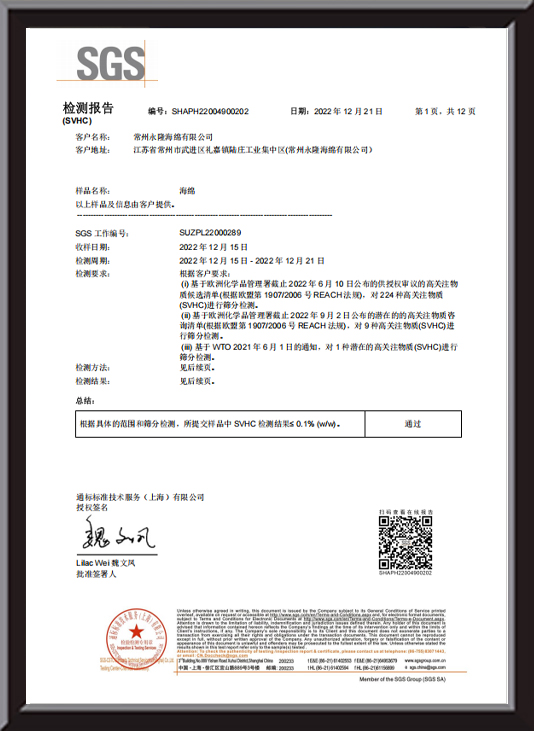
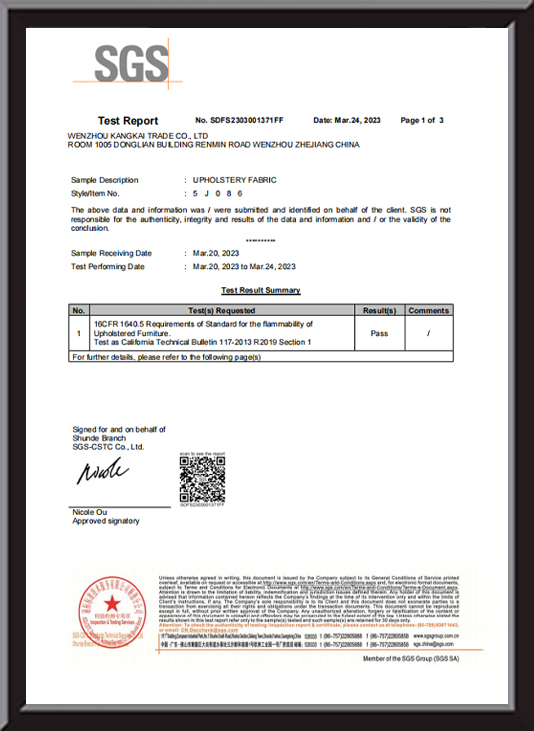
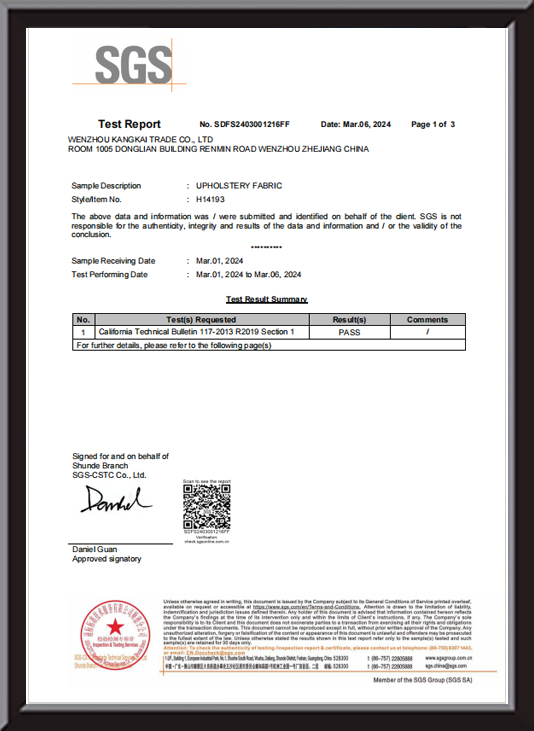
Each mattress is rigorously tested to ensure it provides not only comfort but also lasting durability and support. Even after prolonged use, the mattress maintains its elasticity and support, making it a reliable sleep companion for years to come



Why LED Upholstered Bed Frames Are Worth Considering LED upholstered bed frames combine the plush comfort of padded headboards with integrated ambient lighting, creating a modern and functional centerpiece for any bedroom. These beds offer customizable mood lighting, enhanced ae...
View MoreHidden Storage Without Adding a Single Cabinet Open the lid, drop in the throw blankets, close it, and the living room looks tidy again in under a minute. That's the entire pitch for a storage ottoman in practical terms — it solves a clutter problem without adding a cabinet, a c...
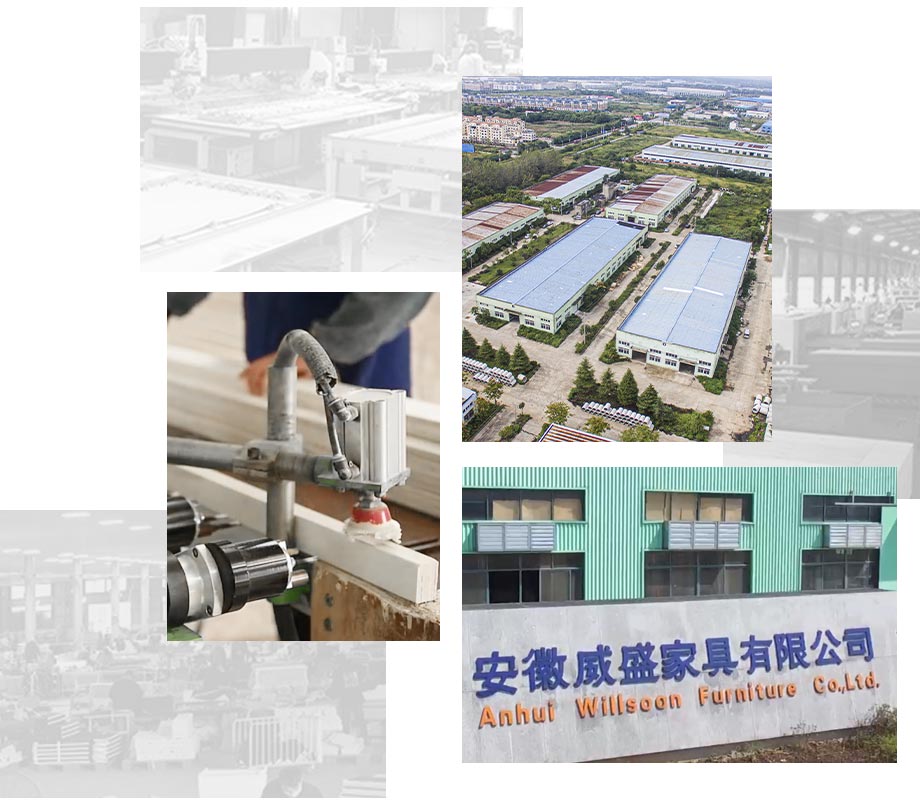
View MoreAnhui, China – June 2026 – Anhui Willsoon Furniture Co., Ltd. recently welcomed a valued customer from the Maldives to its manufacturing facility for an in-depth factory tour and business exchange. The visit provided an excellent opportunity for both parties to strengthen mutual ...
View MoreThe durability of a spring mattress is closely linked to the heat-treating process used on its coils. High-carbon steel springs undergo tempering to stabilize their molecular structure, which helps them retain their tension even after thousands of compression cycles. When coils are consistently tempered, they resist metal fatigue more effectively, reducing the risk of sagging over time. Manufacturers with advanced production capabilities, such as Anhui Willsoon Furniture, often integrate controlled tempering systems to ensure reliable coil performance for long-term mattress use.
Spring structure design significantly influences how well a mattress maintains its support. Pocket springs, for instance, work independently and experience less cumulative stress than interconnected spring units. Bonnell springs distribute impact through a larger network, but require stronger steel to maintain shape. Zoned coil systems provide targeted reinforcement in areas that bear high pressure, preventing premature deformation. Understanding these distinctions helps identify which spring configuration is best suited for long-term durability.
Spring fatigue often occurs in mattresses where pressure repeatedly concentrates in the same regions. When coil layouts distribute weight more evenly, each spring undergoes less stress, extending its operational elasticity. Edge-reinforced designs also contribute to longevity by stabilizing the perimeter, reducing collapse and long-term sinking. These features are especially useful for users who frequently sit on the sides of the bed or place high pressure on one area throughout the night.
Coil materials vary widely, and their quality directly affects long-term elasticity. High-carbon steel offers superior tensile strength, while additional treatments such as anti-corrosion coating protect coils from humidity-related degradation. Humidity fluctuations can cause micro-corrosion, weakening spring tension over time. By applying protective layers during manufacturing, companies like Willsoon Furniture reduce structural wear and extend the overall service life of the spring system.
Compression resistance testing measures how springs behave under repeated load cycles. Industry laboratories simulate years of use by applying thousands of compressions to determine whether coils retain their height, tension, and rebound speed. Mattresses with stronger coil gauges typically outperform lighter-gauge coils in these tests. The table below provides a simplified comparison of performance characteristics related to different coil gauges.
| Coil Gauge | Compression Resistance | Elasticity Retention |
| Thicker Gauge | High | Excellent |
| Medium Gauge | Moderate | Good |
| Thinner Gauge | Lower | Fair |
Insulation layers positioned above the spring unit serve as a buffer that reduces friction between coils and cushioning materials. Without proper insulation, repeated movements can cause fabric abrasion or foam indentation, indirectly impacting the spring structure beneath. High-density felt or reinforced non-woven layers help distribute load to minimize localized spring stress. This design consideration is key in preserving coil alignment and maintaining mattress support even after extended usage.
Temperature shifts, humidity changes, and poor ventilation can gradually affect spring stability. Steel expands and contracts with temperature variations, and in poorly ventilated rooms, trapped moisture may accelerate oxidation. Placing the mattress on a breathable frame prevents moisture buildup and helps preserve coil integrity. Manufacturers focusing on long-term quality, such as Willsoon Furniture, design their spring systems to withstand environmental fluctuations common in daily household use.
Proper user habits contribute significantly to keeping spring mattresses supportive over time. Rotating the mattress helps equalize pressure distribution, preventing certain coils from wearing faster than others. Using a stable bed frame reduces flexing in unsupported zones, which in turn preserves spring tension. Keeping the mattress in a dry, ventilated environment also supports the longevity of the coils and reduces risk of structural fatigue.
Modern testing standards evaluate not only coil performance but also the interaction between springs, padding, and outer fabric. These multi-layer assessments reveal performance issues that single-component tests might overlook. Companies with strong R&D capabilities, including Willsoon Furniture, conduct durability tests that replicate real-world use patterns, ensuring that their spring mattresses maintain elasticity and structured support over many years of continuous use.

Baishijian Rd, Langxi Economic Development Zone, Langxi, Anhui 242100, China
+86 563 7375018 (Office)
+86 15956277532 (Mobile)
[email protected] (E-mail)
Contact us for the latest inspiration and our latest product catalogue.



 Deutsch
 Español
 Français
 русский
