


The upholstered bed frame is a perfect blend of style and comfort, offering a luxurious touch to any bedroom. Its soft, padded exterior creates a serene atmosphere, making it an ideal choice for those seeking both functionality and aesthetics. The bed frame provides a cozy retreat, ensuring restful sleep and relaxation with its sturdy construction and cushioned surface.
This series of upholstered bed frames comes in a variety of designs, each catering to different tastes and interior styles. Whether you prefer a classic, minimalistic look or a more contemporary, bold design, there is a model to fit every bedroom theme. The carefully selected materials and thoughtful craftsmanship ensure durability, while the refined details enhance its overall elegance.
Each frame is designed with attention to detail, from the high-quality fabric options to the precision of the stitching, providing a combination of beauty and practicality. With the upholstered bed frame, not only does your bedroom become more inviting, but it also becomes a statement of your unique style and sophistication

Why LED Upholstered Bed Frames Are Worth Considering LED upholstered bed frames combine the plush comfort of padded headboards with integrated ambient lighting, creating a modern and functional centerpiece for any bedroom. These beds offer customizable mood lighting, enhanced ae...
View MoreHidden Storage Without Adding a Single Cabinet Open the lid, drop in the throw blankets, close it, and the living room looks tidy again in under a minute. That's the entire pitch for a storage ottoman in practical terms — it solves a clutter problem without adding a cabinet, a c...
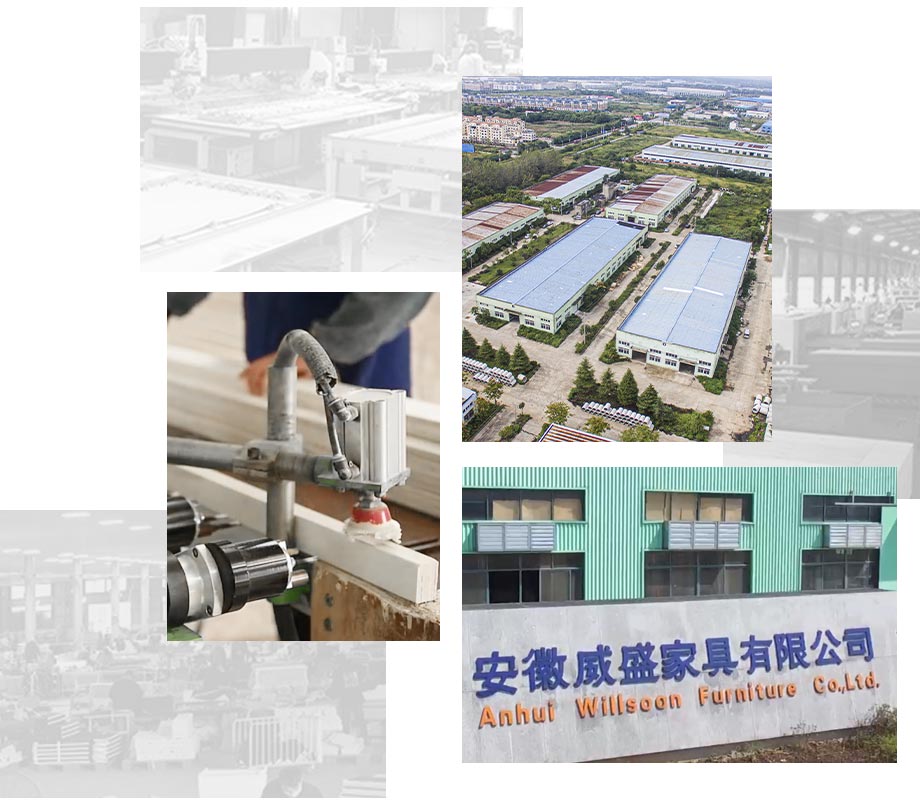
View MoreAnhui, China – June 2026 – Anhui Willsoon Furniture Co., Ltd. recently welcomed a valued customer from the Maldives to its manufacturing facility for an in-depth factory tour and business exchange. The visit provided an excellent opportunity for both parties to strengthen mutual ...
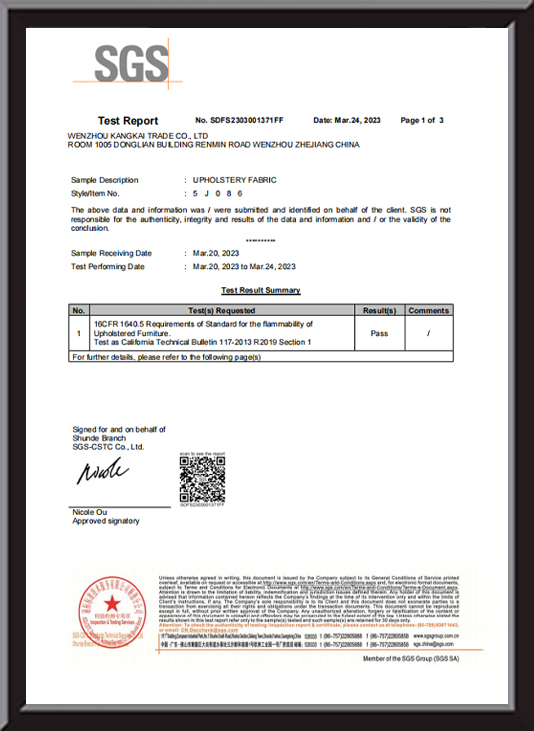
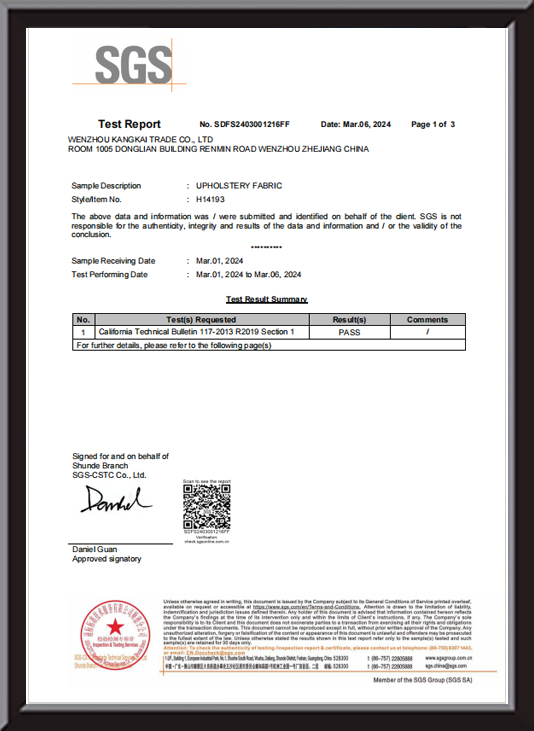
View MoreThe density of upholstery fabric plays a crucial role in the long-term performance of upholstered beds. High-density textiles such as tightly woven polyester blends resist pilling and stretching, making them ideal for households with pets or frequent usage. Conversely, low-density fabrics offer a softer touch but may show wear sooner, especially on frequently contacted areas like the headboard. Manufacturers often assess fabric durability using rub-count tests, and premium models typically exceed 20,000 cycles to ensure longevity in daily use.
One of the overlooked benefits of upholstered bed frames is their inherent noise-dampening structure. The combination of padded panels, fabric layers, and foam inserts absorbs micro-vibrations that would normally travel through wooden or metal frames. To further minimize noise, designers may add felt spacers between joints, rubberized foot pads, or reinforced corner brackets. These enhancements ensure that the bed remains stable and quiet, even during motion-heavy activities like turning or sitting up.
Modern upholstered beds use multi-layer padding systems that balance softness with structural integrity. A typical configuration may combine supportive high-density foam with softer surface foam, wrapped in breathable fiber batting to improve comfort when sitting against the headboard. Some manufacturers contour the padding to create ergonomically curved profiles, reducing back strain during prolonged reading or device use. These engineering methods ensure the headboard retains its shape while maintaining a plush feel.
| Layer | Function |
| High-Density Foam | Provides structural support and shape retention |
| Soft Surface Foam | Enhances comfort and tactile softness |
| Fiber Batting | Improves breathability and assists with uniform cushioning |
Because upholstered beds accumulate weight from the mattress, bedding, and users, internal reinforcement is essential. Manufacturers often integrate hardwood support rails and steel brackets within the padded exterior to maintain structural rigidity. Center support beams reduce sagging, while additional foot posts distribute load more evenly. These hidden reinforcements ensure that the bed frame remains stable without compromising the soft, luxurious appearance of the upholstery.
Upholstered bed frames are more susceptible to staining and moisture absorption than wood or metal structures. To address this, modern upholstery fabrics often receive protective coatings that repel liquids and prevent permanent marks. Some high-performance textiles use nano-treatment technology that maintains breathability while resisting spills. For humid climates, moisture-wicking backings help reduce mold risk by allowing air to circulate behind the fabric layers. Combined, these features improve hygiene and extend the lifespan of the bed.
Upholstered bed frames are increasingly used as multifunctional furniture platforms. Designers incorporate integrated storage drawers, gas-lift compartments, or concealed shelves within the frame while preserving a seamless fabric exterior. Smart features—such as USB charging ports, LED lighting, or built-in Bluetooth speakers—are added through concealed wiring channels to maintain aesthetic simplicity. This combination of comfort, function, and modern technology aligns well with contemporary bedroom needs while keeping the overall silhouette soft and inviting.
Material selection strongly influences maintenance requirements, appearance, and service life. Velvet offers a rich texture and deep color saturation but requires gentle care to prevent pressure marks. Linen blends provide a breathable, natural aesthetic but may wrinkle if not properly tensioned during installation. Faux leather is easy to clean and ideal for families, though it may feel cooler to the touch. Each material responds differently to temperature, friction, and lighting, making it important to match fabric characteristics with intended usage.
| Material | Strengths | Considerations |
| Velvet | Luxurious feel, strong visual impact | Requires gentle care; pressure marks may appear |
| Linen Blend | Breathable, natural texture | Prone to wrinkling; must be tightly upholstered |
| Faux Leather | Easy to clean, water-resistant | May feel cooler; can crack if low quality |

Baishijian Rd, Langxi Economic Development Zone, Langxi, Anhui 242100, China
+86 563 7375018 (Office)
+86 15956277532 (Mobile)
[email protected] (E-mail)
Contact us for the latest inspiration and our latest product catalogue.



 Deutsch
 Español
 Français
 русский