


 Deutsch
 Español
 Français
 русский
Content
Find the Source Before You Fix It
Every squeak has an exact address, even when it feels like it's coming from everywhere at once. Before reaching for oil or a wrench, spend two minutes tracking the noise down — it's the single step that saves the most wasted effort.
Strip the bed down to the mattress and press firmly on different sections with your hands, working corner to corner. Then lie down and shift your weight slowly from side to side, pausing after each small movement to listen. A squeak that follows your hand pressure on the mattress surface points to the mattress itself. A sound that only shows up when you sit near the edges or shift your full body weight usually points to the frame or box spring underneath. And if the noise seems to travel with the whole bed rather than one specific spot, check whether the frame's feet are sliding against the floor.
This diagnostic pass matters because the fix for a worn-out coil is completely different from the fix for a loose bolt, and guessing wrong means redoing the work twice.
If the Mattress Itself Is Squeaking
Innerspring and hybrid mattresses squeak because metal coils rub against each other or against their fabric casing as they compress and release. Memory foam and latex mattresses don't have this problem at all — there's no metal inside to make contact noise, which is worth knowing if you're deciding whether to repair or replace.
For an innerspring mattress that's still relatively new, rotating it 180 degrees — head to foot — redistributes the pressure points that build up from sleeping in the same spot every night. Flipping it over as well, if the mattress is designed to be flipped, spreads wear even further. This won't fix a coil that's already broken, but it often quiets one that's simply stressed from uneven load.
If rotating doesn't help, the coils themselves have likely started to wear out, and that's typically a sign the mattress is approaching the end of its service life — most innerspring mattresses last seven to ten years before internal wear becomes noticeable as noise. A mattress topper can mute the sound temporarily by absorbing some of the pressure before it reaches the noisy springs, but it's a stopgap, not a repair.
If the Bed Frame Is the Culprit
Frame noise is by far the most common source of a squeaky bed, and it's also the easiest to fix permanently. Wood and metal frames fail in slightly different ways, so the right fix depends on which one you have.
On a wooden frame, squeaks usually come from two wood surfaces rubbing together at a joint, or from a mattress sliding directly against bare slats. Rubbing a wood-safe wax — beeswax or a candle works fine — along the contact points at each joint smooths the surfaces enough to stop the friction. For slats rubbing against the mattress, wedging small pieces of cork or felt tape between the contact points cushions the movement without loosening the joint's fit.
On a metal frame, the noise almost always comes down to two things: loose bolts or dry metal-on-metal contact. Go around every joint with a wrench and snug up anything that's shifted — if a bolt won't hold tight even after tightening, adding a washer between the bolt and the frame usually solves it. For joints that are tight but still squeak, a light application of a silicone-based lubricant or a non-corrosive oil at the contact point eliminates the friction. Apply sparingly and wipe away any excess so it doesn't attract dust.
A gap between the mattress and the frame interior compounds both problems, since a mattress that's shifting inside an oversized frame creates new friction points every time you move. How a gap between mattress and frame causes movement and noise walks through measuring that gap and closing it, which is worth checking alongside any joint repairs. Frames built with consistent tolerances against published bedding dimension standards leave far less room for that kind of drift in the first place.

Storage Beds and Gas-Lift Mechanisms: A Different Kind of Squeak
Ottoman-style storage beds and other gas-lift frames introduce a noise source that standard bed frames don't have: the mechanical hinge and piston system that lifts the mattress platform. When these beds squeak, the cause is usually one of two things rather than a loose bolt.
First, the hinge points where the lifting frame connects to the base can dry out over time, the same way any metal hinge does with repeated use — a drop of lubricant at each pivot point resolves this quickly. Second, loose connection bolts at the hinge assembly let the frame flex slightly under load, which produces a wobble-and-squeak combination distinct from a simple frame creak. Because these frames carry the added mechanical stress of the gas struts, checking and retightening those specific bolts periodically prevents the issue from developing in the first place. The ottoman gas lift storage bed frame guide covering mechanism care goes into more detail on piston maintenance and bolt-tightening intervals specific to this bed type.
Well-built wooden storage frames tend to run quieter than their metal counterparts here, since there's no bare metal-on-metal hinge contact to begin with — something worth factoring in if squeaking has been a recurring problem with a previous storage bed.
Preventing Squeaks When You Buy New
If a frame has reached the point where repeated tightening and lubricating no longer holds, replacing it is usually more cost-effective than continuing to chase the noise every few months. The construction quality of the replacement is what determines whether the problem comes back.
- Tight manufacturing tolerances: A frame with a consistent interior fit leaves little room for the mattress to shift and create new friction points over time.
- Solid joinery over lightweight connectors: Reinforced joints and thicker connection hardware hold their tension longer than thin, minimal fittings.
- Material matched to your priorities: Wood frames tend to run quieter over the long term since there's no bare metal contact, while metal frames offer a lighter, more affordable option that just needs occasional bolt checks.
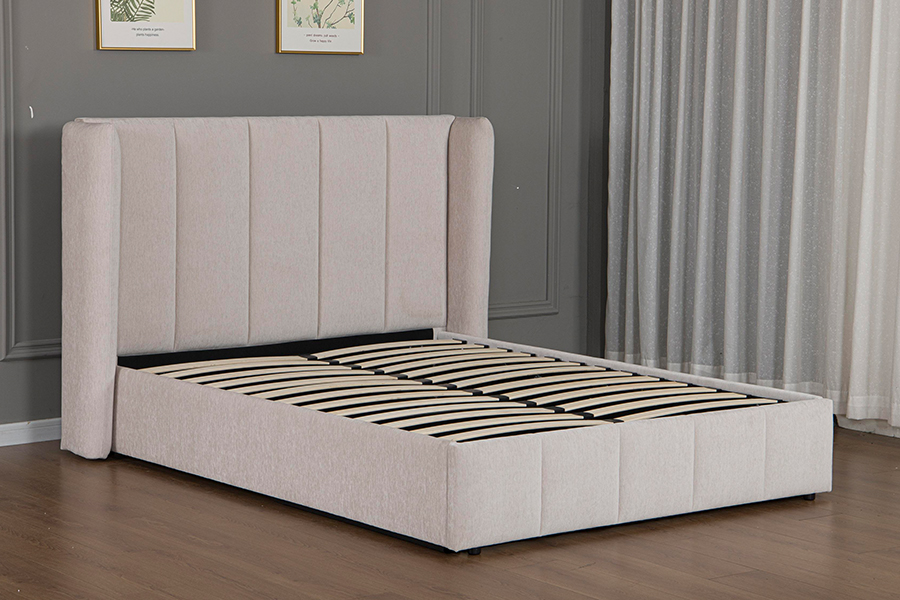
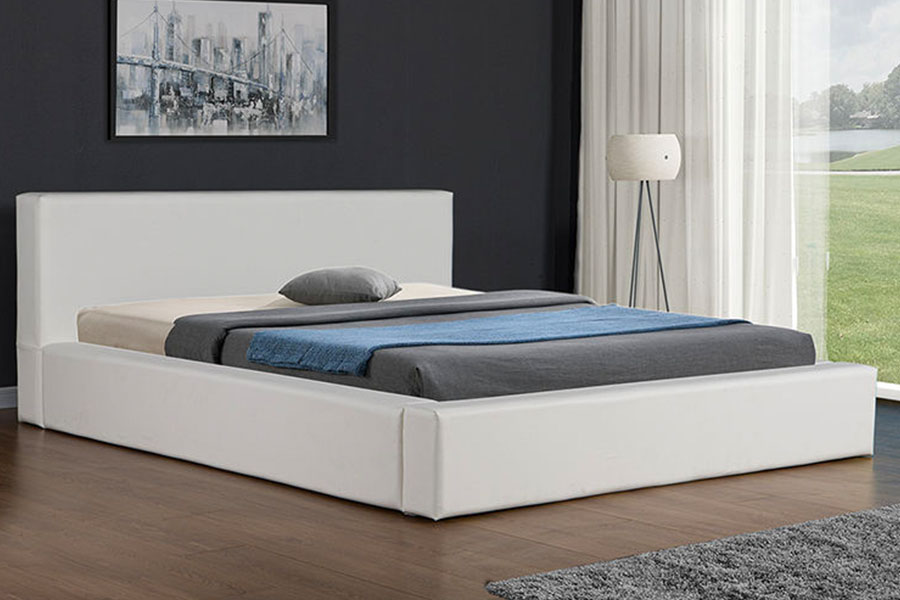
Willsoon's wooden bed frame collection built for stable, quiet support is designed around that joinery-first approach, while the tight-tolerance metal bed frame collection holds consistent interior dimensions to reduce the drift that leads to noise later on. For anyone considering a storage bed specifically, the upholstered storage bed frames with a fixed-dimension platform pair that same secure-fit principle with hidden storage, so the mattress stays locked in place rather than shifting inside an oversized frame.